Why Am I Not Getting Wet During Intercourse

Ever found yourself in the heat of the moment, wondering why things aren't getting as, ahem, slippery as you'd expect? You're not alone, friend. Let's dive into this curious c...
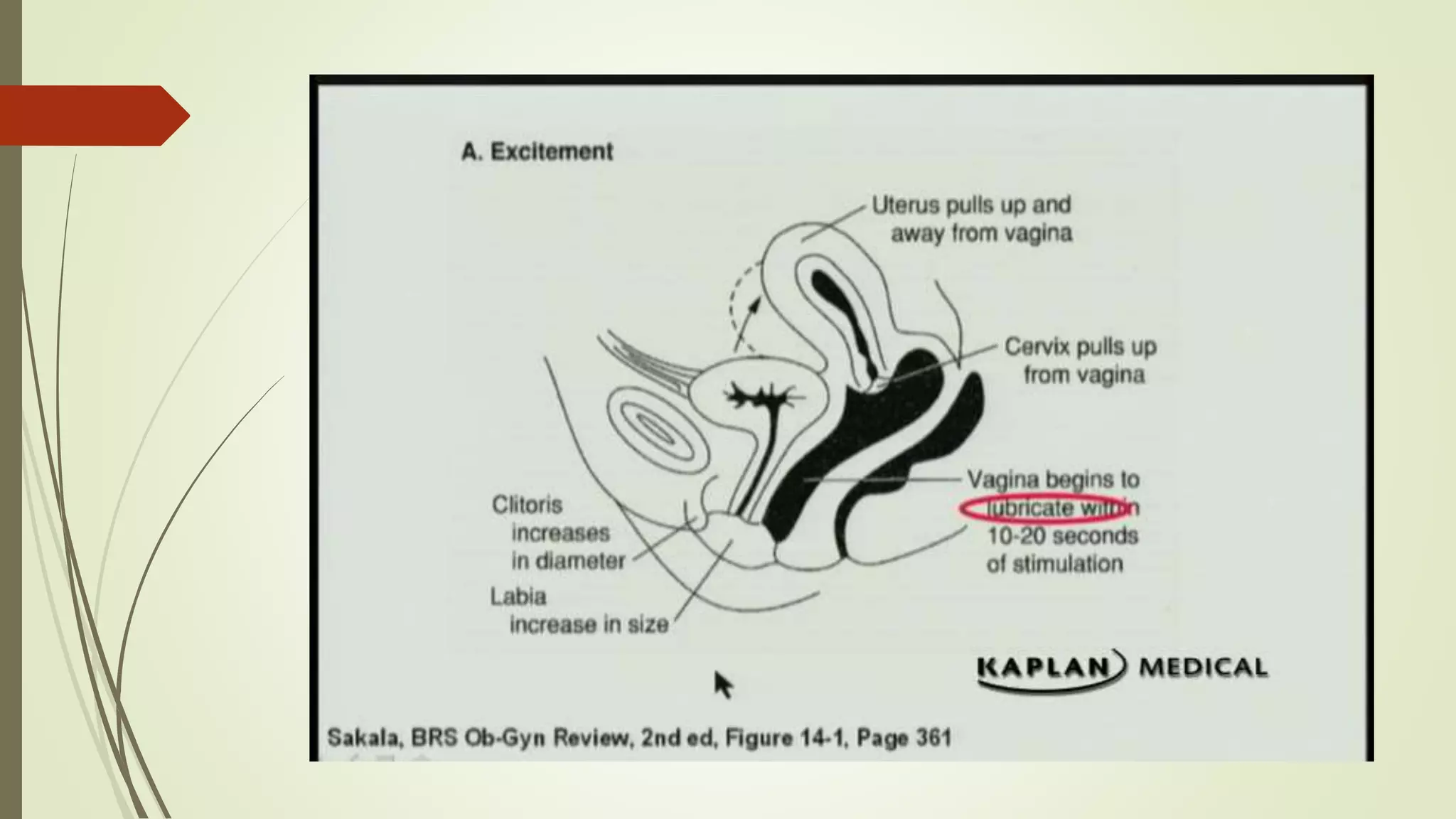
Ever found yourself in the heat of the moment, wondering why things aren't getting as, ahem, slippery as you'd expect? You're not alone, friend. Let's dive into this curious conundrum together, no judgment here, just a friendly chat about why you might not be getting wet during intercourse.
Let's Talk Lubes
First things first, let's give our bodies some credit. Vaginal lubrication is a natural response to arousal, but it's not the only way to ensure a smooth ride. Lubes are our friends, and they're here to help. They mimic our natural lubrication, making things more comfortable and fun. So, if you're not getting wet naturally, it's totally cool to give lube a try. It's like adding extra sauce to your favorite dish - why not?
Hormonal Rollercoasters
Now, let's talk hormones. Estrogen is our lubrication fairy, and when it's on the job, things are flowing smoothly. But when estrogen levels dip, like during menopause or certain times in our menstrual cycle, we might not produce as much lubrication. It's like when the rain stops - things can get a bit dry. But remember, this is normal and happens to everyone.
Must Read
Stress Less, Get Wet More
Stress is a real party pooper, and it can mess with our bodies in unexpected ways. When we're stressed, our bodies produce less lubrication. It's like our body's saying, "Hey, we've got bigger issues to deal with right now, like that looming deadline." So, if you're feeling anxious or stressed, it might be worth taking a step back and addressing those feelings before getting intimate.
 9 Reasons Sex Might Hurt for Men
Medications and the Moody Vagina
Some medications can also affect our lubrication, like certain antihistamines, antidepressants, and even birth control pills. It's like they're throwing a tantrum and saying, "Nope, not today." If you suspect a medication is causing a dry spell, it's a good idea to chat with your healthcare provider. They might be able to suggest an alternative or adjust your dosage.
Communication is Key
Remember, everyone's body is unique, and what works for one person might not work for another. If you're not getting wet, it's important to communicate openly with your partner. They might not know you're feeling dry, and talking about it can help you both find a solution together. It's like cooking a new recipe - sometimes you need to adjust the ingredients to get it just right.
 Distinguishing Between Vaginal Discharge, Arousal Fluid, & Cervical Mucus
Lubrication and Pleasure
Lastly, let's talk pleasure. Lubrication isn't just about making things easier; it's also about enhancing pleasure. When we're well-lubricated, our bodies can respond more sensitively to touch, making sex more enjoyable for everyone involved. So, if you're not getting wet, it might be worth exploring different ways to get aroused and increase lubrication, like foreplay or using a vibrator.
So there you have it, folks. Not getting wet during intercourse can be a normal part of our bodies' ever-changing landscape. It's nothing to be embarrassed about, and there are plenty of ways to make things more comfortable and enjoyable. So, let's embrace our bodies' quirks and keep exploring what feels good. After all, sex is a journey, and it's always an adventure to learn more about ourselves and our partners.
