Difference Between Aggregation And Agglutination

So, there I was, at my friend's wedding, trying to be all fancy and sophisticated, when I noticed something peculiar. The caterer was serving these tiny, delicious-looking app...
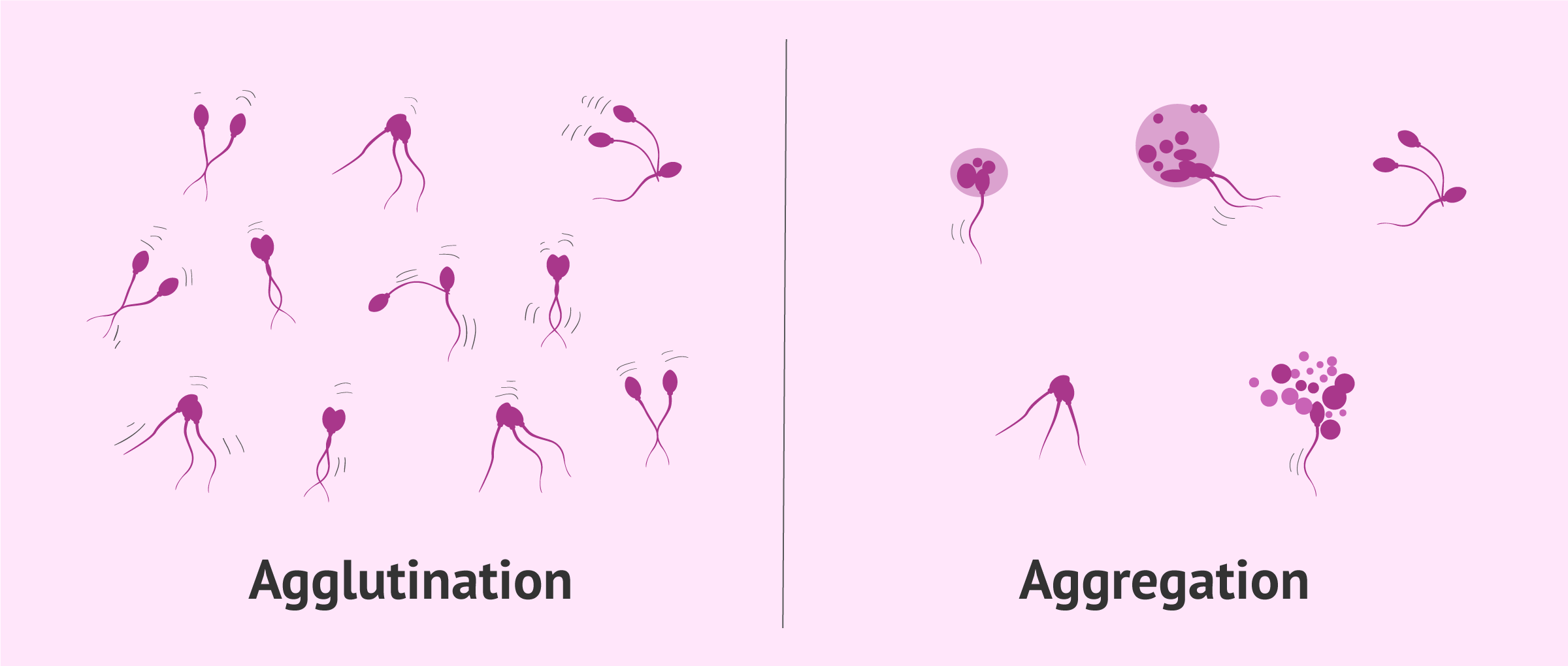
So, there I was, at my friend's wedding, trying to be all fancy and sophisticated, when I noticed something peculiar. The caterer was serving these tiny, delicious-looking appetizers, but they were all stuck together in these weird clusters. I mean, who serves glue-together food at a wedding? I was about to make a snarky comment when I realized, these weren't glued, they were just... stuck together. And that, my curious friend, is when it hit me. I needed to finally understand the difference between aggregation and agglutination.
When Food Becomes a Teacher
You might be thinking, "Dude, you're comparing computer science to... food? Really?" Well, yes, really. Because sometimes, the most unexpected things can help us understand complex concepts. So, let's dive in, shall we?
Meet Aggregation
Imagine you're building a house. You've got your walls, your roof, your floors - they're all separate, right? But they're aggregated. They're put together to form a house, but they can still exist independently. If you take one wall away, the house is still a house, just a bit incomplete. That's aggregation. It's a 'has-a' relationship. In our appetizer analogy, imagine each appetizer as a separate entity. They're aggregated when they're put together on the plate, but they can still exist independently.
Must Read
In programming, aggregation is when an object contains another object (or multiple objects) as part of its state. But if you delete the containing object, the contained objects can still exist. It's a 'has-a' relationship. Like our house or our appetizers.
 Aggregation Vs Agglomeration Definition – GTFJ
Agglutination: When Things Get Sticky
Now, imagine you're trying to build a house, but your bricks are all stuck together. You can't separate them without breaking them. That's agglutination. It's a 'is-a' relationship. In our appetizer analogy, imagine if those appetizers were stuck together so tightly that you couldn't separate them without destroying them. That's agglutination.
In programming, agglutination is when an object owns another object. If you delete the owning object, the owned object is also deleted. It's a 'is-a' relationship. Like our sticky bricks or our inseparable appetizers.
 Difference between Platelet Agglutination and platelet Aggregation
So, What's the Big Deal?
You might be thinking, "Okay, I get it. But why does it matter?" Well, it matters because these relationships can affect how your program behaves. Understanding them can help you write more efficient and maintainable code. It's like knowing the difference between 'I have a cat' (aggregation) and 'I am a cat' (agglutination). It might seem trivial, but it can change how you interact with the world around you.
And hey, if nothing else, you can now impress your friends at the next wedding with your newfound knowledge. Just don't start a conversation about computer science while they're trying to enjoy their appetizers. Trust me, I've made that mistake.
