Linux Vpn Iptables Port Forwarding Without Snat

Alright, imagine you're at a bustling café, and you've just ordered a fancy coffee. You want your friend, who's sitting at another table, to have a sip. But the barista's not...
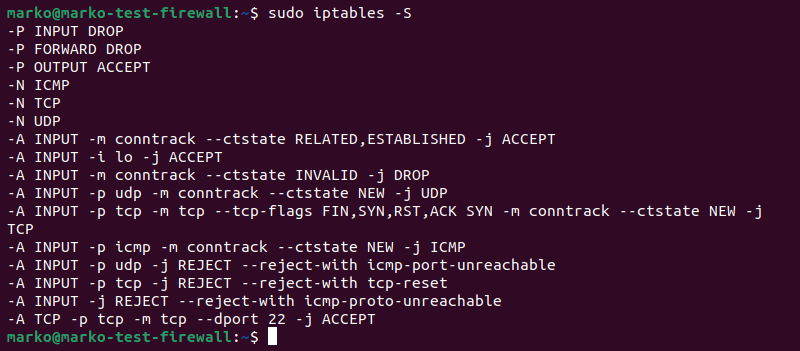
Alright, imagine you're at a bustling café, and you've just ordered a fancy coffee. You want your friend, who's sitting at another table, to have a sip. But the barista's not having it, they're strict about their 'one customer, one coffee' rule. So, you've got to find a sneaky way to get that coffee to your friend, right? That's essentially what we're doing with Linux VPN, iptables, and port forwarding. We're finding a clever way to let your friend (your device on the VPN) enjoy that delicious coffee (access to your local network resources).
Setting the Scene: Linux VPN and iptables
So, you've got a Linux machine at home, and it's like your trusty barista, serving up all sorts of goodies to your local network. But your friend, who's connected to your Linux machine via a VPN, can't reach those goodies directly. They need a helping hand, and that's where iptables comes in. iptables is like the friendly waiter in our café analogy, helping to direct traffic and make sure everyone gets what they need.
Understanding the Problem: SNAT
Now, by default, iptables uses something called Source Network Address Translation (SNAT) when routing traffic. It's like giving your friend a note with your table number on it, so the barista knows where to deliver the coffee. The problem is, the barista (your Linux machine) can't deliver the coffee (access to local resources) because it's not allowed to leave the kitchen (the local network).
Must Read
That's where port forwarding comes in. It's like convincing the barista to let you take the coffee to your friend's table yourself. But instead of carrying the coffee around the café, we're going to create a secret tunnel, so the coffee (traffic) can travel directly from the kitchen (local network) to your friend's table (VPN client).
Creating the Secret Tunnel: Port Forwarding
Step 1: Mark the Packets
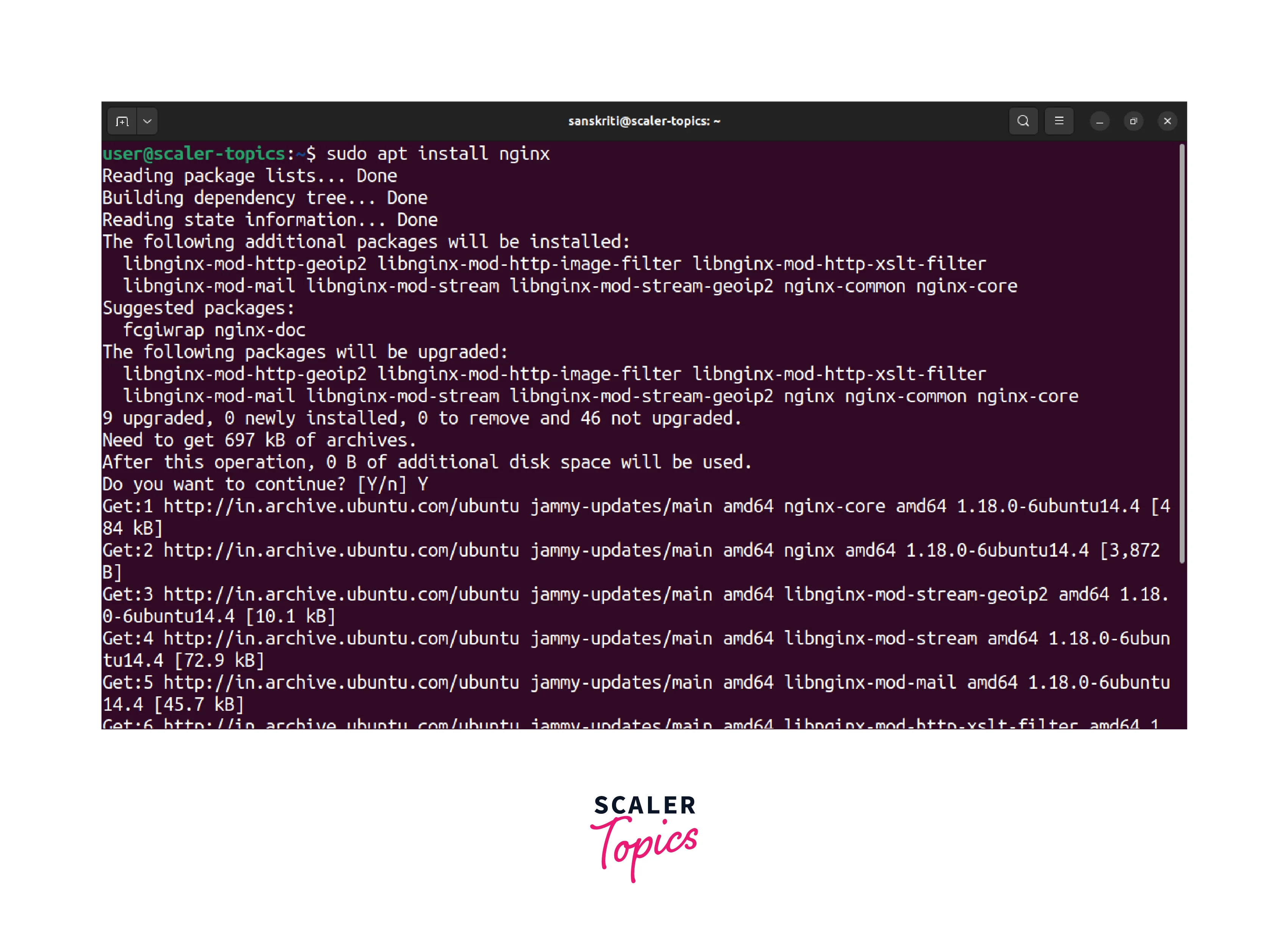
First, we need to mark the packets coming from our VPN client. It's like giving our coffee a special sticker, so we know it's meant for our friend. We'll use the mark and mangle tables in iptables for this.
Here's how you can do it:
 How to Setup Port Forwarding on Linux? - Scaler Topics
iptables -t mangle -A POSTROUTING -s 192.168.1.100 -j MARK --set-mark 1
Replace 192.168.1.100 with your VPN client's IP address.
Step 2: Create the Tunnel
Next, we create the secret tunnel using the nat table and the PREROUTING chain. It's like telling the barista to send any coffee with our special sticker to our friend's table.
Here's how:
iptables -t nat -A PREROUTING -i eth0 -p tcp --dport 12345 -j MARK --set-mark 1
Replace eth0 with your network interface and 12345 with the port you want to forward.
 How to Setup Port Forwarding on Linux? - Scaler Topics
Step 3: Let the Traffic Through
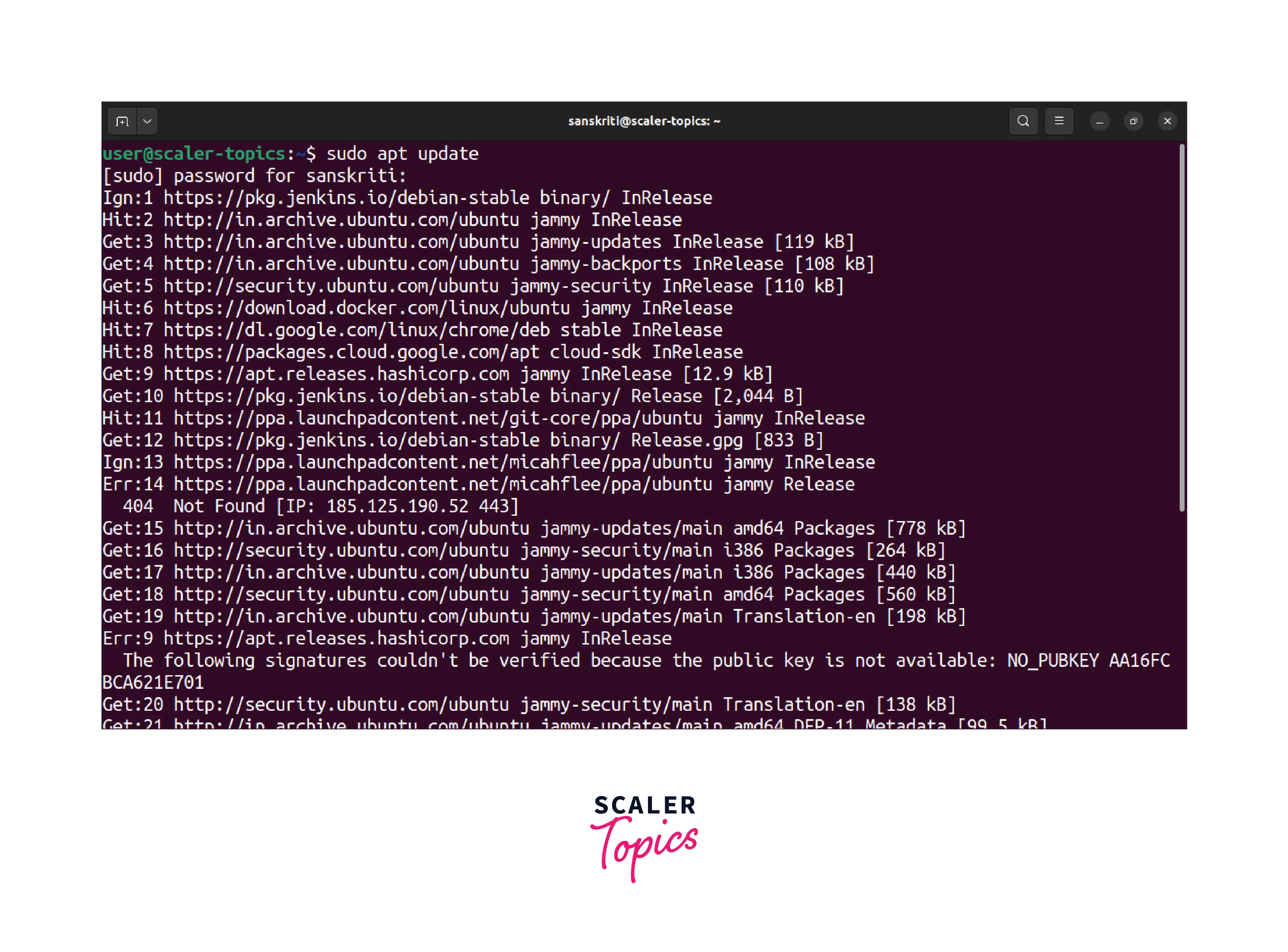
Finally, we tell iptables to let the marked traffic through to our local network using the OUTPUT chain in the filter table. It's like telling the bouncer at the door to let our coffee through.
Here's how:
iptables -A OUTPUT -m mark --mark 1 -j ACCEPT
Enjoy Your Coffee!
And there you have it! Your friend can now enjoy the coffee (access local network resources) without any issues. Just remember, every time you make a new friend or want to serve a new coffee, you'll need to adjust your iptables rules accordingly.
So, the next time you're at a café, remember, it's not just about the coffee, it's about the connections we make and the clever ways we find to share our favorite things. And that, my friend, is what Linux VPN, iptables, and port forwarding are all about.
