As Part Of The Ancient Roman Army The Cornicen

Ever wondered what it was like to be a part of the ancient Roman army? Well, buckle up, because we're about to dive into the world of the cornicen, the Roman army's very own m...
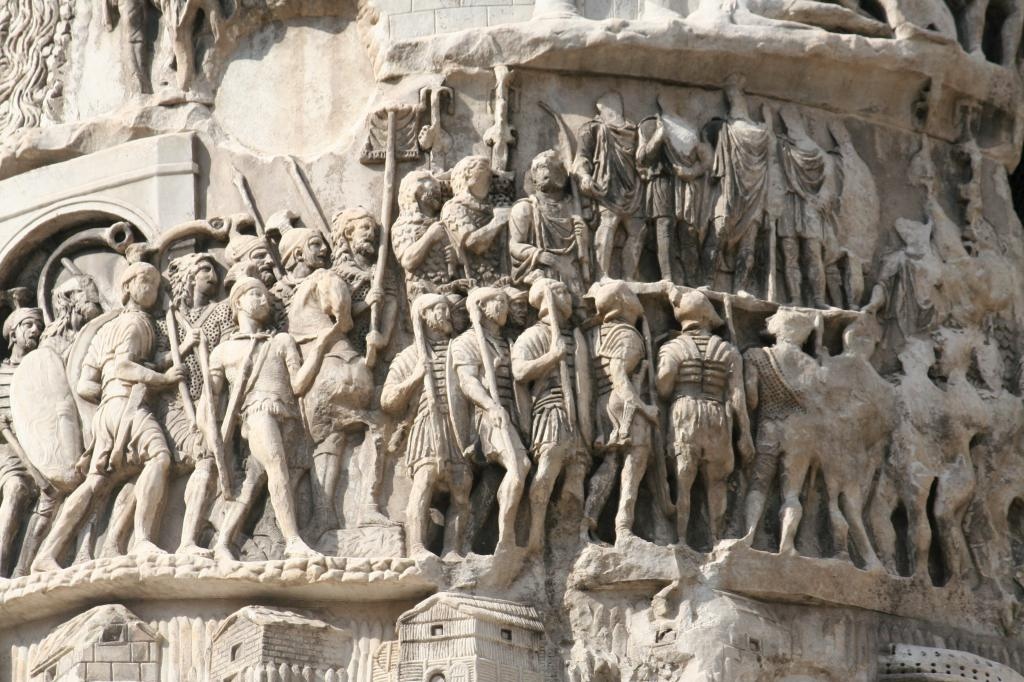
Ever wondered what it was like to be a part of the ancient Roman army? Well, buckle up, because we're about to dive into the world of the cornicen, the Roman army's very own musician. That's right, folks! In an era where soldiers were equipped with swords and shields, there were also those who carried a different kind of weapon - the musical kind.
Who Was the Cornicen?
Imagine the cornucopia, that horn of plenty overflowing with fruits and flowers. Now, replace those fruits with a blast of sound, and you've got the cornucopia's cousin, the cornu - the Roman horn. The cornicen was the soldier who blew this horn, providing the soundtrack to the Roman army's victories and defeats.
But the cornucen wasn't just your average band geek. No, no, no. They were a vital part of the Roman military machine. They were the ones who communicated orders on the battlefield, their blasts and trills as important as any general's command.
Must Read
Signaling on the Battlefield
You might be thinking, "How did they do that? Did they have some sort of musical Morse code?" Well, not quite. The cornucen used a series of blasts and trills to signal different commands. It was like a symphony of strategy, with each note carrying a specific order.
For instance, a long, low note might signal the start of a battle, while a series of short, sharp blasts could order a retreat. It was a complex system, but one that the Roman army relied on heavily. After all, in the heat of battle, you can't just whip out a megaphone and start shouting orders.
More Than Just a Messenger
But the cornucen's role wasn't just about sending messages. They were also a symbol of unity and morale. Imagine standing on the battlefield, the clash of steel ringing in your ears, and then hearing the clear, resonant note of a cornu. It must have been a powerful reminder of why you were fighting, and who you were fighting for.
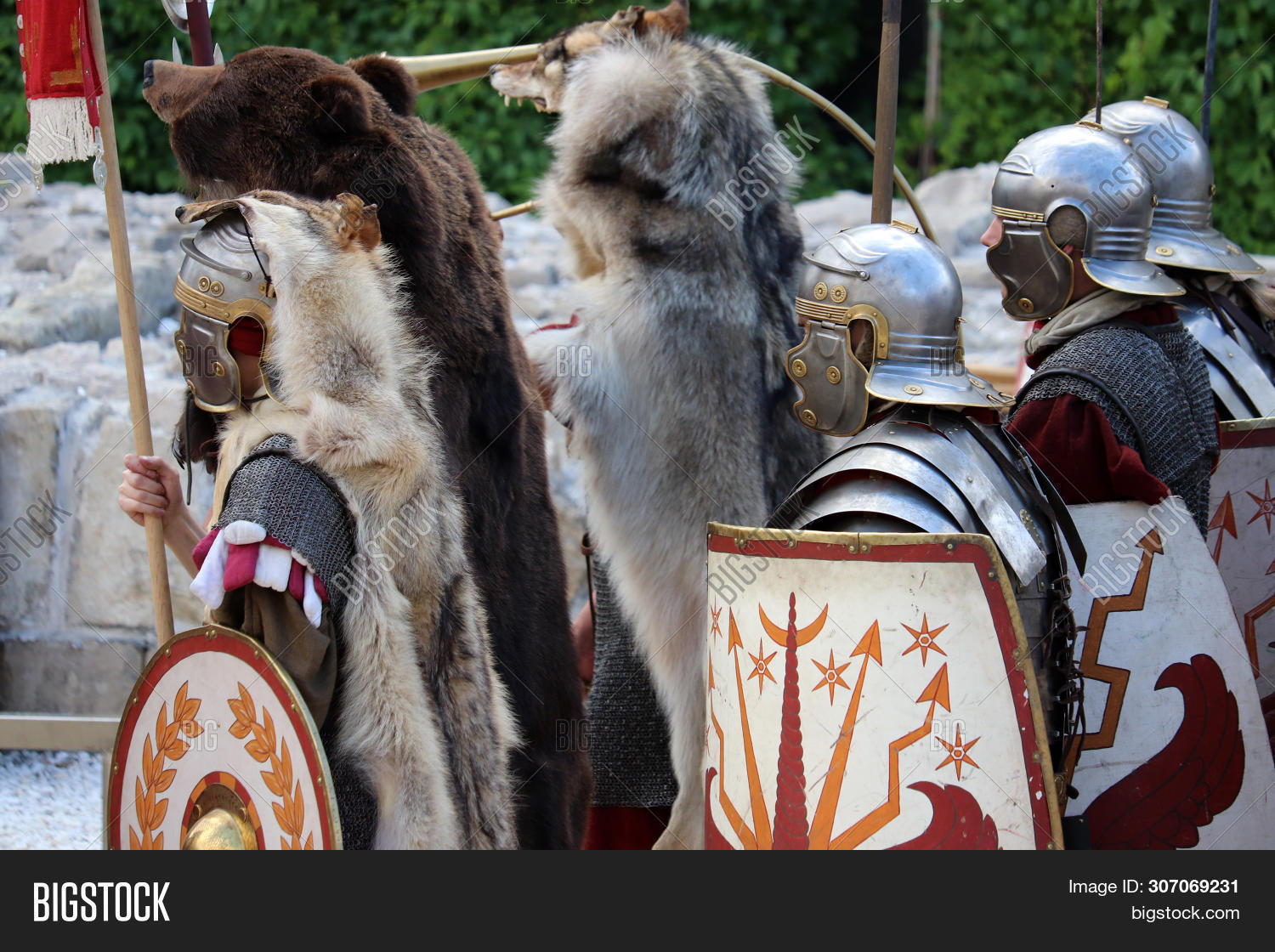 Soldiers Of A Roman Legion On A March. Signifer, Vexillarium, Cornicen
In fact, the cornucen was often seen as a good luck charm. They were usually positioned at the front of the army, their horns gleaming in the sunlight, a beacon of hope and courage. It was believed that as long as the cornucen was playing, the gods were smiling down on the Roman army.
From Battlefield to Banquet
But the cornucen's musical talents weren't just reserved for the battlefield. They were also called upon to provide the soundtrack to Roman feasts and celebrations. Imagine the grand banquets of ancient Rome, the tables groaning under the weight of food and drink, and the sound of a cornu filling the air. It must have been quite the party!
In fact, the cornucen was often seen as a symbol of abundance and prosperity. The cornu, after all, was shaped like a horn of plenty, and its sound was said to bring good fortune. So, it's no surprise that the cornucen was a welcome addition to any Roman celebration.
 As Part of the Ancient Roman Army the Cornicen
Echoes of the Past
Today, the cornu might seem like a relic of the past, a curiosity from a bygone era. But the spirit of the cornucen lives on. In many modern armies, music still plays a vital role, from the stirring anthems that inspire soldiers to the bugle calls that signal the start and end of the day.
So, the next time you hear a military band playing, remember the cornucen. Remember the soldier who wasn't just a musician, but a communicator, a morale booster, and a symbol of unity. They might not have carried a sword, but they were just as important to the Roman army as any centurion or legionnaire.
And who knows? Maybe, just maybe, the next time you're at a party and someone suggests a game of musical chairs, you'll think of the cornucen, and the ancient Roman army, and the power of music to bring people together. Now, that's what I call a party trick!
