How To Ctrl Alt Del In Mac

Hey there, Mac user! So, you've found yourself in a pickle, haven't you? Your trusty Mac has decided to take a little nap, and now you're left wondering, "How do I wake this t...
Hey there, Mac user! So, you've found yourself in a pickle, haven't you? Your trusty Mac has decided to take a little nap, and now you're left wondering, "How do I wake this thing up?" Well, grab a coffee, get comfy, and let's chat about it. You're not alone, friend.
First things first, let's address the elephant in the room. You're here because you want to know how to do a Ctrl + Alt + Del on a Mac. Now, I know what you're thinking, "But that's a Windows thing, right?" Well, yes and no. Stick with me, I'll explain.
Why Ctrl + Alt + Del won't work on a Mac
Alright, so here's the deal. That trusty old combo, Ctrl + Alt + Del, is like the universal remote for Windows computers. It's been around since the dinosaurs roamed the Earth (well, not quite, but you get the idea). But, and this is a big but, Macs don't speak that language. They're more like the fancy French restaurant in town, while Windows is more like the local diner.
Must Read
You see, Macs have their own way of doing things. They're all about simplicity and elegance, remember? So, they've got their own little tricks up their sleeves to help you out when your Mac takes a little siesta.
Meet Force Quit
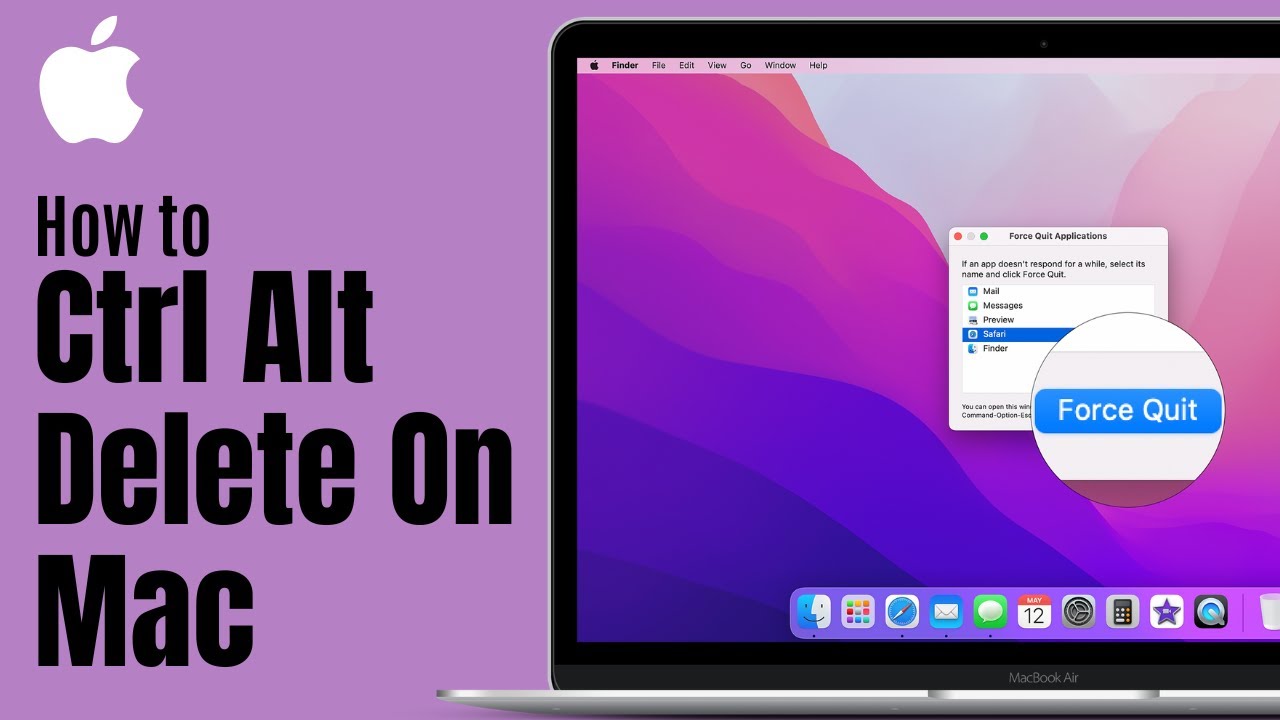
Now, I know you're eager to get back to your Netflix binge or your super important spreadsheet, so let's dive right in. The Mac equivalent of Ctrl + Alt + Del is something called Force Quit. It's like the bouncer at the club, kicking out any troublemakers (read: frozen apps) so everyone else can have a good time.
How to Force Quit like a pro
Alright, let's get down to business. Here's how you do it:
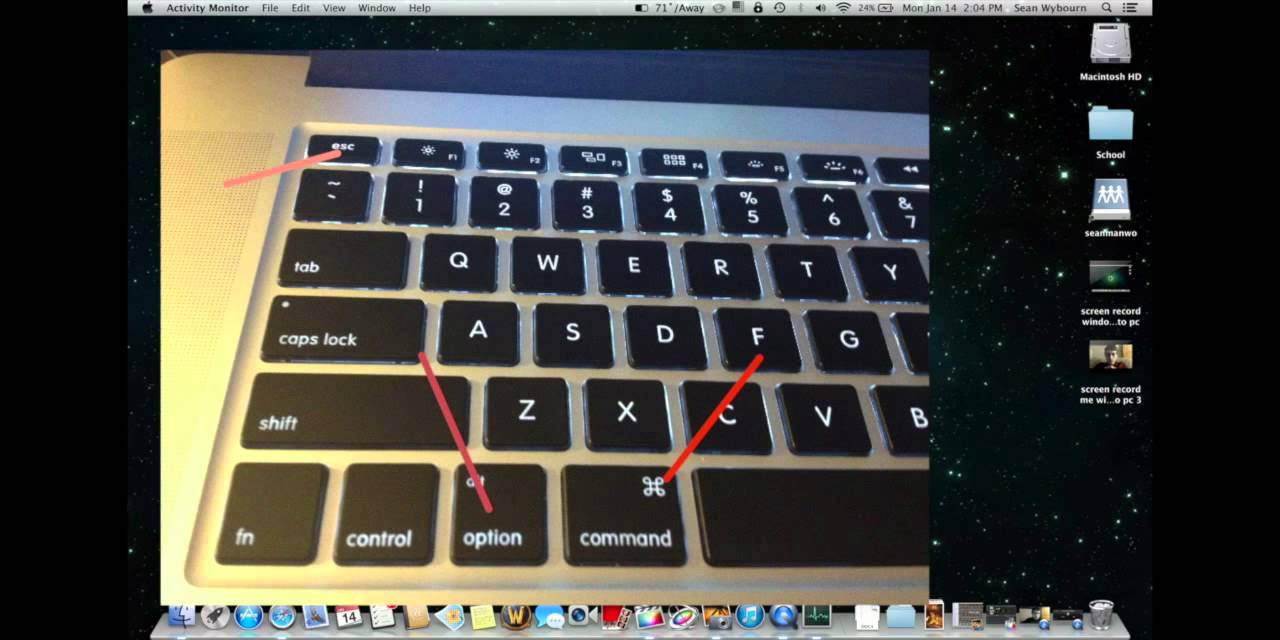
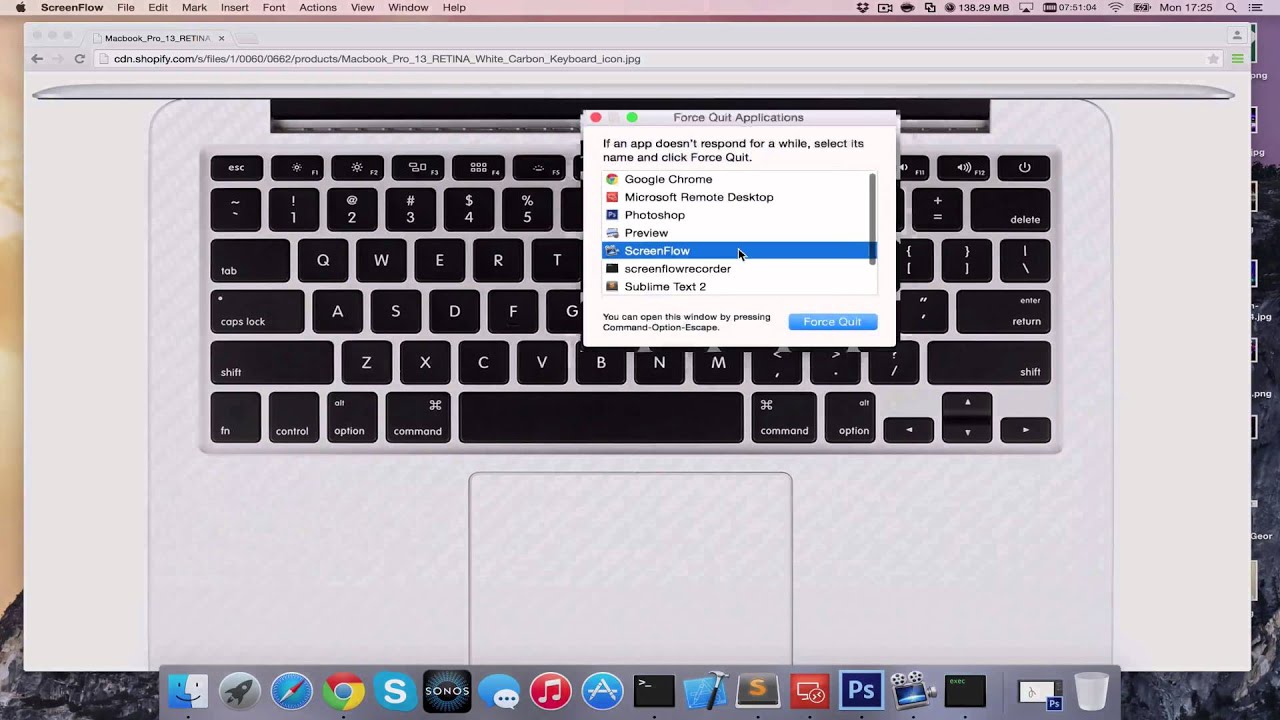
- First, press these three keys together: Command (⌘) + Option + Esc. Yes, it's a mouthful, but you'll get the hang of it. This brings up the Force Quit window.
- Now, you'll see a list of apps that are currently running. If one of them is being a pain in the neck (won't respond, frozen, etc.), select it with your arrow keys or by clicking on it.
- Once you've got the troublemaker selected, press Return or click Force Quit. It's like kicking them out of the club, but without the drama (usually).
And just like that, your Mac should be back to its old, reliable self. Easy peasy, right?
 How To Ctrl Alt Delete On Mac - YouTube
But what if I want to restart or log out?
Great question! You're full of them today, aren't you? 😉
If you want to restart your Mac, just go to the Apple menu (that's the one with the Apple logo), hover over Restart, and click. Easy as pie.
And if you want to log out, do the same thing, but choose Log Out instead. Simple, right?
Preventing the need for a Force Quit
Now, I know you're the kind of person who likes to be prepared. So, let's talk about how to prevent these little hiccups in the first place.
 How to CTRL ALT DELETE on Apple Mac [HD][4K][Tutorial][Step by Step
First off, make sure your Mac is up to date. Apple regularly releases software updates that can help prevent apps from freezing or crashing. You can check for updates in the Apple menu under About This Mac and then Software Update.
Next, keep an eye on your RAM. If you're running too many apps at once, your Mac might start to slow down or freeze. Try to close any apps you're not using, and if you're still having trouble, you might want to consider upgrading your RAM.
And finally, be careful what you download. Only download apps from trusted sources to avoid any sneaky viruses or malware that could cause your Mac to misbehave.
And there you have it, my friend! You're now a certified Mac troubleshooter. The next time your Mac takes a little nap, you'll know exactly what to do. So, go forth, enjoy your coffee, and happy computing!
