Do You Pay Cgt On House Sale

So, I was chatting with my mate, Tim, the other day. You know Tim, right? The one with the laugh that could wake the dead. Anyway, he's been on a bit of a property spree latel...

So, I was chatting with my mate, Tim, the other day. You know Tim, right? The one with the laugh that could wake the dead. Anyway, he's been on a bit of a property spree lately, buying and selling houses like they're going out of fashion. And I'm over here, scratching my head, wondering, "Tim, mate, are you paying your taxes on all this?"
Now, I'm no tax expert, but I've got a few quid in the bank myself, and I like to keep the taxman happy. So, I started digging into this Capital Gains Tax (CGT) business, and I thought, "Hey, maybe Tim's not the only one who needs to know this stuff." So, grab a cuppa, let's have a little chat about CGT and house sales.
What's CGT, and Why Should I Care?
Alright, so CGT is a tax on the profit you make when you sell something that's increased in value. In the UK, that includes things like investments, businesses, and yes, you guessed it, houses. Now, I know what you're thinking, "But I'm not a business, I'm just a regular Joe trying to make a few quid on my house sale." Well, mate, I hear you, but the taxman doesn't always see it that way.
Must Read
Here's the thing, when you sell your main residence, you get an exemption called Private Residence Relief. But if you've been renting out rooms, or using part of your house for business, that exemption might not cover you. And that's where CGT comes in.
When Do I Have to Pay CGT on a House Sale?
Let's say you've been renting out your spare room on Airbnb, or you've been using your garage as a little workshop. If you make a profit on the sale of your house, you might have to pay CGT. The same goes if you've got more than one property, or if you've been using your house as a business, like a bed and breakfast.
Now, I'm not saying you should stop all that. After all, a bit of extra cash never hurt anyone. But it's important to know that if you're making money from your house, you might have to pay some of it back to the taxman.
 UK Landlord Tax Changes: Income Tax, CGT & What’s Next
How Much CGT Do I Have to Pay?
In the UK, you've got an annual CGT allowance, which is currently £12,300. That means you can make up to £12,300 in profits from selling assets without paying a penny in CGT. Not bad, huh? But once you go over that, you start paying tax at 10% for basic rate taxpayers, or 20% for higher rate taxpayers.
Now, I'm not going to lie to you, calculating CGT can be a bit of a headache. You've got to work out your total profits, subtract your allowance, and then figure out your tax rate. But don't worry, there are plenty of calculators online to help you out.
What if I've Got More Than One Property?
If you've got more than one property, things can get a bit trickier. You've still got your annual allowance, but you've got to work out the profit for each property separately. And if you've got a portfolio of properties, you might want to think about incorporating your business to save on tax.
But hey, that's a whole other can of worms, and I don't want to get into that right now. For now, let's just focus on the basics, yeah?
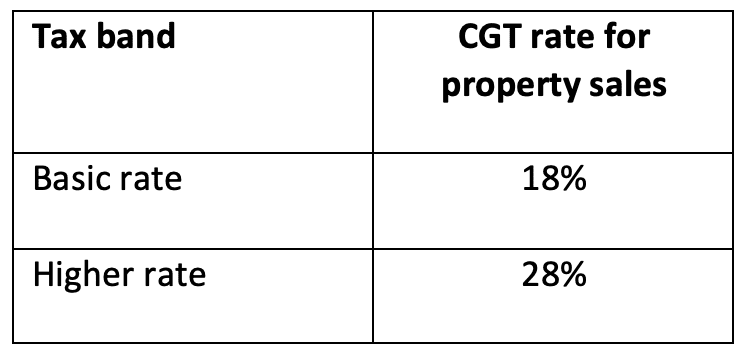 Upcoming changes to Capital Gains Tax on property - Tallents Solicitors
What Should I Do if I Think I've Got to Pay CGT?
Alright, so you've worked out your profits, and you've realized you've got to pay CGT. Don't panic, mate. The first thing you should do is talk to a tax professional. They can help you work out exactly how much you've got to pay, and they might even be able to help you save some cash.
Once you've got your figure, you've got to fill out a Self Assessment tax return. It's not as scary as it sounds, I promise. You can do it online, and there are plenty of guides to help you out. And if you're really stuck, you can always call HMRC for a chat.
And there you have it, folks. A little chat about CGT and house sales. I hope it's helped, and I hope you're not too scared of the taxman now. Remember, knowledge is power, and the more you know, the more you can save.
Now, if you'll excuse me, I've got to go have a word with Tim about his tax situation. Until next time, folks!
