How Do I Get A Perc Test Done

So, You've Got a Basement? Let's Talk Perc Tests! Alright, so you've decided to turn that damp, cobweb-infested space under your house into a man cave, a home gym, or maybe e...
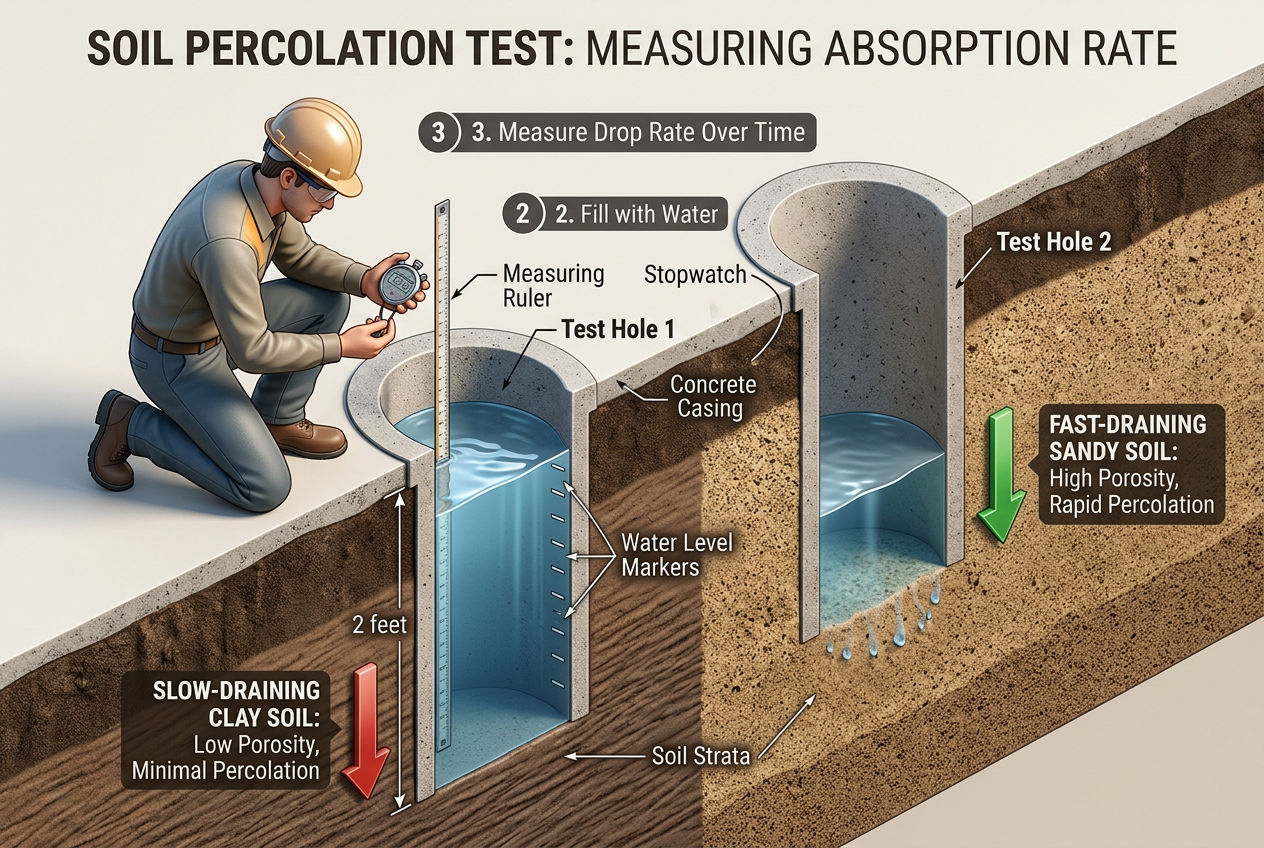
So, You've Got a Basement? Let's Talk Perc Tests!
Alright, so you've decided to turn that damp, cobweb-infested space under your house into a man cave, a home gym, or maybe even a secret lair (because, why not?). Before you start planning where to put the pinball machine or the Bat-Signal, there's a little thing called a perc test you need to know about.
What's a Perc Test, You Ask?
Imagine you're at a fancy dinner party, and the host asks you to guess how many spoons they have. You can't just look at the table and count, right? You've got to dig around in the drawers, maybe even ask the host where they keep them. A perc test, or percolation test, is like that. It's a way to find out if your soil can absorb water quickly enough to support a septic system.
In other words, it's like checking if your soil can 'hold its liquor' (water, that is). Because, trust me, you don't want your basement turning into a swimming pool every time it rains.
Must Read
Now, How Do You Get This Perc Test Done?
First things first, you need to find a professional. Think of them as the party host who knows exactly where all the spoons are. In this case, they're engineers or environmental consultants who know their way around soil and water.
You can find them by asking around, checking online directories, or even asking your local health department for recommendations. Once you've found a few, give them a call and have a chat. It's like a first date, but with less small talk and more talk about soil permeability.
Prepping for the Big Day
So, you've found your professional, and they've agreed to come over. Great! Now, you need to prep. Think of it like preparing for a surprise inspection from the health department. You wouldn't want them to find your secret stash of Twinkies, would you?
 how to do a percolation test - YouTube
In all seriousness, your professional will need access to the area where the septic system will go. So, clear out any debris, mark the spot, and make sure they can get to it easily. Also, they might need to drill a few holes in your yard, so warn your neighbors. You don't want them thinking you're trying to start a DIY drilling operation in the suburbs.
The Big Day: The Perc Test
Finally, the day of the test arrives. Your professional shows up with their fancy equipment, and you might feel a bit like a kid on the first day of school. But don't worry, it's just a test. And unlike school, there's no homework involved (well, except for the paperwork, but we'll get to that).
The test involves digging a few holes, filling them with water, and timing how long it takes for the water to disappear. It's like playing with a giant, muddy version of the Magic School Bus, but without Arnold's snarky comments.
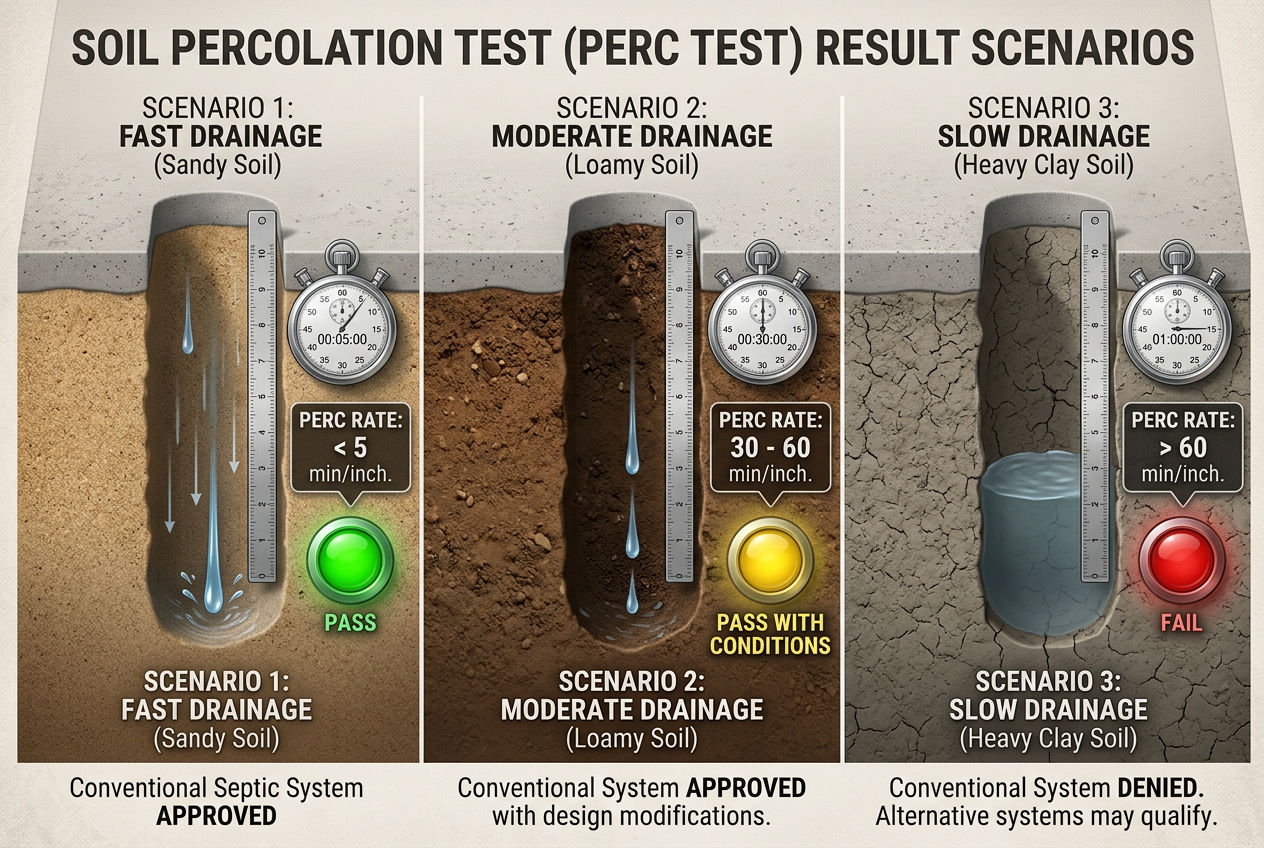 Perc Test: How Percolation Testing Works
After the Test: The Results
Once the test is done, your professional will give you the results. If your soil passes, congratulations! You're one step closer to your dream basement. If it fails, don't despair. There are ways to improve your soil's permeability, like adding sand or gravel. It's like giving your soil a makeover, but with less contouring and more digging.
Either way, you'll get a report detailing the results. Keep this safe, as you'll need it when you apply for a septic system permit. It's like a report card, but instead of grades, it's got numbers and words like 'hydraulic loading' and 'soil percolation rate'. Fun stuff, right?
And That's a Wrap!
And there you have it, folks! The ins and outs of getting a perc test done. It might seem like a lot of work, but it's all part of the process of turning that basement into something amazing. So, grab your hard hat, and let's get started!
Oh, and one last thing. If anyone asks, you didn't hear about the secret stash of Twinkies from me. Happy building!
