How Do You Spell To In Spanish

So, you're learning Spanish, huh? That's awesome! You know what's one of the first things you'll learn? How to spell "to" in Spanish. But wait, you might be thinking, "How can...
So, you're learning Spanish, huh? That's awesome! You know what's one of the first things you'll learn? How to spell "to" in Spanish. But wait, you might be thinking, "How can I spell something as simple as 'to' in another language?" Well, my friend, let's dive into this linguistic adventure together.
To or Too?
First things first, let's clear up the confusion with English. We've got "to" as in "I'm going to the store," and then we've got "too" as in "I can't have too much cake." So, which one is it in Spanish?
It's "a"
In Spanish, "to" is spelled with a lowercase letter "a." Yes, that's right! It's as simple as that. So, if you want to say "I'm going to the store" in Spanish, you'd say "Voy a la tienda." Easy peasy, right?
Must Read
But here's where it gets interesting. In Spanish, "a" can mean a lot of things. It can be a preposition, like "to" in English. It can also be an article, like "the" in English. And get this, it can even be an adjective, like "to" as in "too much" in English. Mind. Blown.
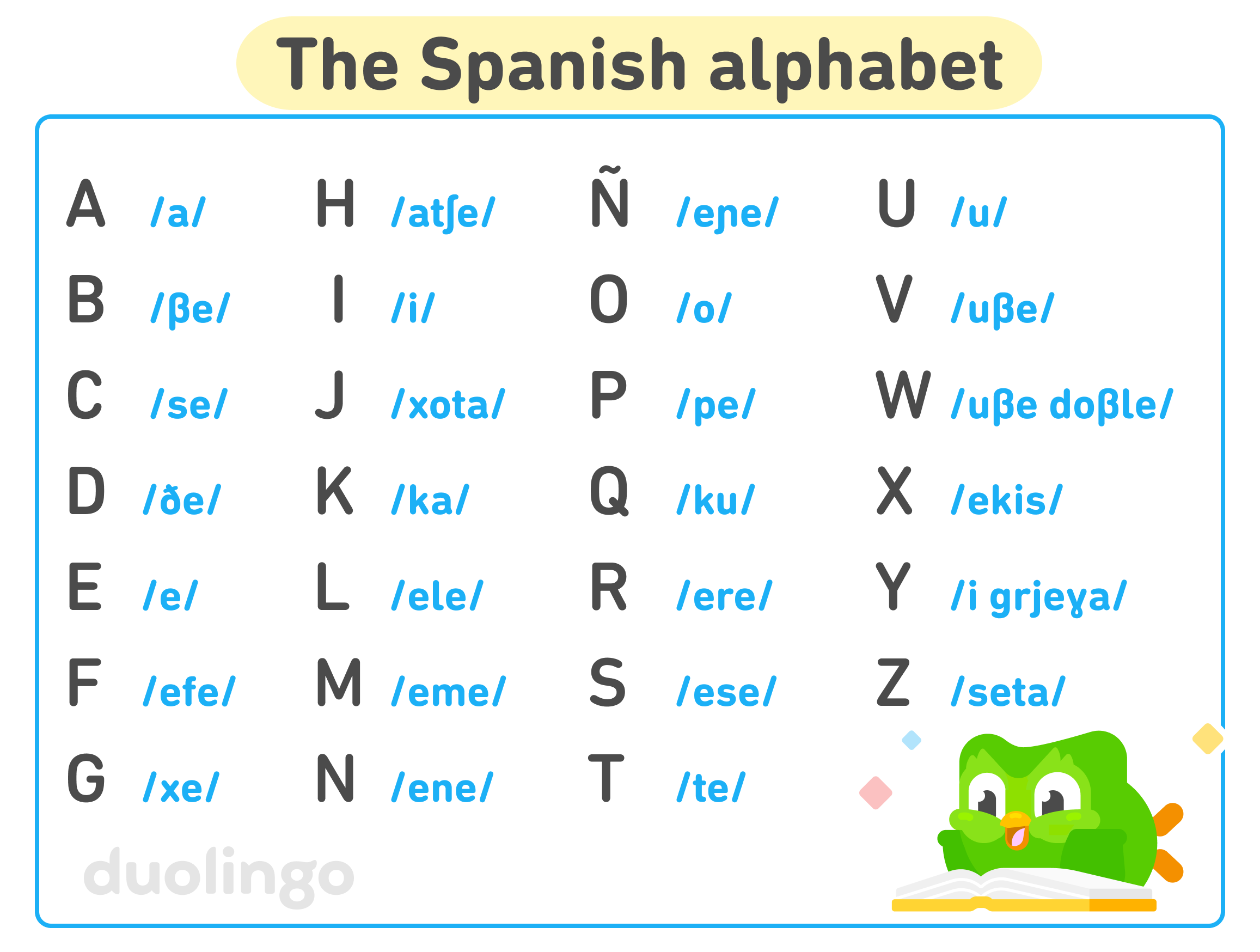 Spanish Alphabet Guide: The Letters and How to Pronounce Them
Why is "a" so versatile?
You might be wondering, "Why is 'a' so darn versatile?" Well, my curious friend, it's all about context. In Spanish, words often change their meaning based on the context they're used in. And "a" is a prime example of this. It's like a linguistic shape-shifter, adapting to its surroundings to convey the right meaning.
Think of it like a chameleon. You know how they change color to blend into their environment? "A" in Spanish does something similar. It changes its role based on where it's used in a sentence. One moment it's a preposition, the next it's an article, and then, bam! It's an adjective. It's like watching a linguistic magic show.
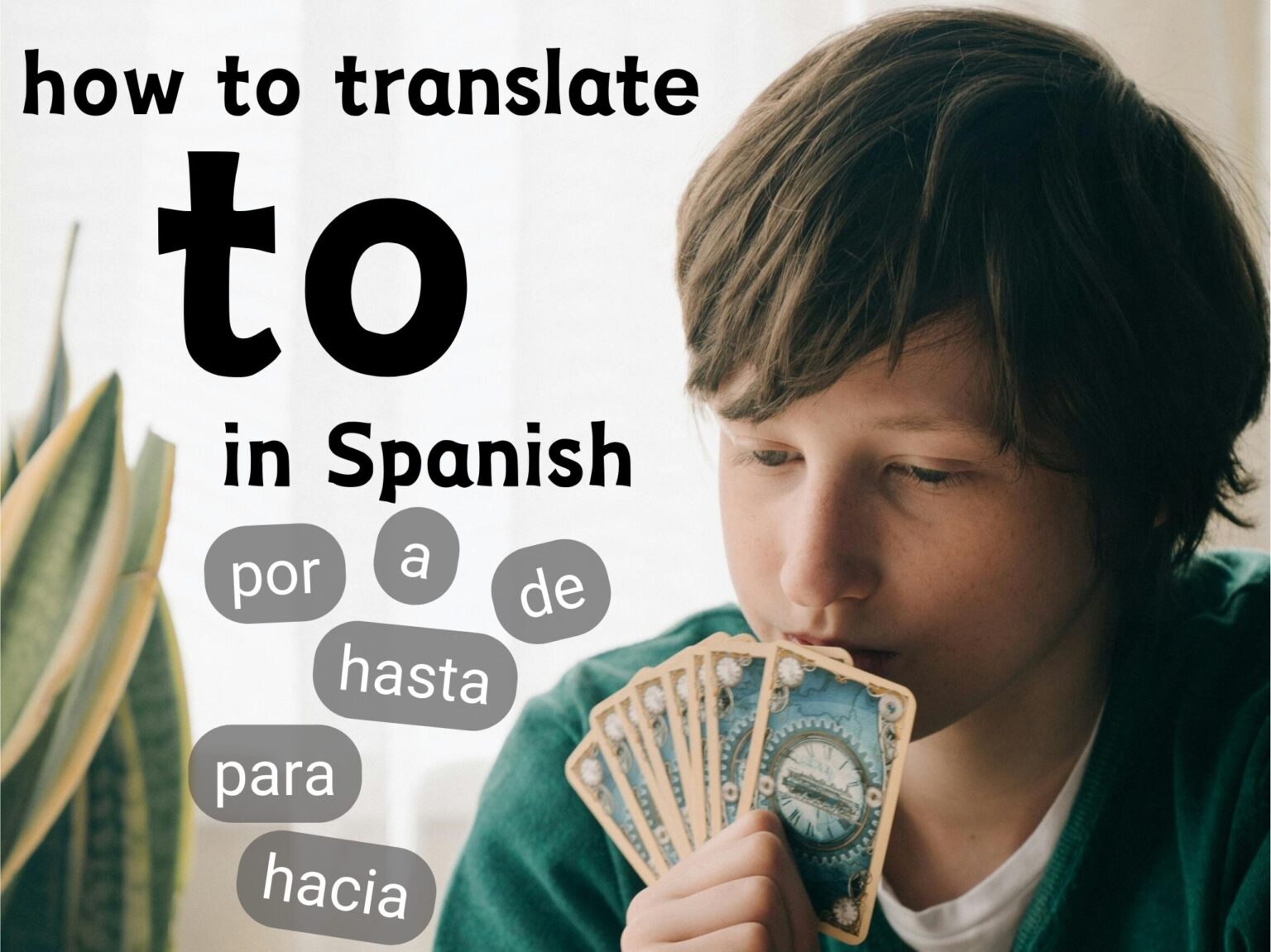 To in Spanish: All the possible translations, use by use - BaseLang
But what about "too"?
You might be thinking, "What about 'too'? How do I say 'I can't have too much cake' in Spanish?" Great question! In Spanish, "too" is usually translated as "demasiado" or "demasiada" depending on whether you're talking about a masculine or feminine noun. So, your sentence would be "No puedo comer demasiado pastel."
Isn't that fascinating? A single letter in Spanish can carry so much weight and meaning. It's like a linguistic superpower. So, the next time you're learning Spanish, remember the humble "a." It might just be a single letter, but it's a mighty one.
