What Do Dog Hot Spots Look Like

So, there I was, walking my furry buddy, Max, through the park. Sun's out, we're both feeling good, and then suddenly, Max starts this crazy dance, like he's trying to scratch...
So, there I was, walking my furry buddy, Max, through the park. Sun's out, we're both feeling good, and then suddenly, Max starts this crazy dance, like he's trying to scratch his entire backside off. I mean, he was doing the Can-Can, but with his tail, not his legs. I knew something was up, 'cause Max usually saves his fancy footwork for squirrels, not sunburns.
That's when I noticed these weird, red patches on his skin. They were all inflamed and oozing a bit. Max was clearly not a happy camper. I'd seen something like this before, but I couldn't quite put my paw... er, finger on it. So, I did what any responsible dog parent would do - I whipped out my phone and hit up Dr. Google.
What the Heck are Dog Hot Spots?
Turns out, Max had himself a case of what vets call acute moist dermatitis, but us regular folks know it as hot spots. You might be thinking, "Hey, I've seen those before! But what do they actually look like?" Well, grab a seat, 'cause we're about to dive in.
Must Read
Spotting a Hot Spot: The Visual Guide
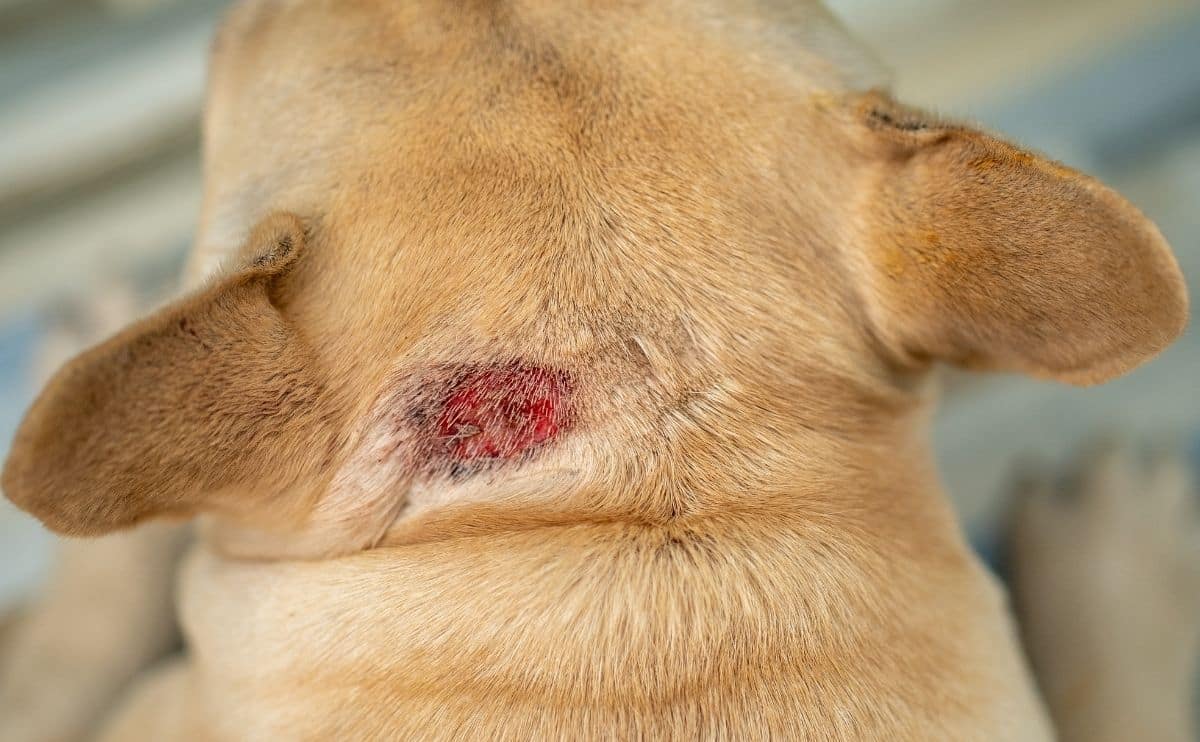
Alright, imagine you've got a big, juicy mosquito bite. Now, picture that bite getting really angry, swelling up, and oozing a bit. That's basically what a hot spot looks like. But instead of just one bite, it's a patch of skin, usually about the size of a quarter to a silver dollar. Here's a quick rundown:
- Redness: Hot spots are, well, hot. They're red and inflamed, like your skin when you've been out in the sun too long.
- Swelling: They're puffy, like they've been filled with air. This is your dog's body trying to fight off the infection.
- Oozing: Gross, I know, but it's important. Hot spots often have some sort of discharge, which can be anything from clear to cloudy to bloody.
- Hair Loss: If the hot spot has been around for a while, you might see some hair loss in the area. Don't worry, it grows back!
Hot spots can show up anywhere on your dog's body, but they're most common on the head, ears, chest, and limbs. And they can grow fast, like, really fast. We're talking inches in a matter of hours if left untreated. Scary, right?
 Hot Spots on Dogs: Causes, Symptoms, and Remedies - toe beans
What Causes Hot Spots?
Hot spots are like the teenagers of skin conditions - they can be caused by a million different things. Here are a few common culprits:
- Allergies: Just like us humans, dogs can have allergic reactions to all sorts of things - food, pollen, even grass. When they scratch at the itch, they can end up with a hot spot.
- Bacteria: Sometimes, a simple cut or scrape can get infected, leading to a hot spot. It's like when you scrape your knee, but way more dramatic.
- Moisture: Wet fur can lead to hot spots, especially if your dog has been swimming or it's been raining. That's why they're sometimes called "summer sores."
- Parasites: Fleas, ticks, and mites can all cause itching and scratching, which can lead to hot spots.
Seeing a trend here? Hot spots are usually caused by something that makes your dog itch or scratch, leading to broken skin, which then gets infected. It's a vicious cycle, and it's important to break it as soon as possible.
 What Do Hot Spots Look Like On A Dog at Becky Moreno blog
What to Do When You Spot a Hot Spot
So, you've found a hot spot on your furry friend. Now what? First things first, don't panic. Hot spots are treatable, but they do require some immediate attention. Here's what you should do:
- Call the vet: Hot spots can spread quickly, so it's important to get your dog some professional help. Your vet can prescribe antibiotics to fight the infection and maybe some anti-itch meds to keep your dog from scratching.
- Keep it clean: In the meantime, keep the area clean. You can use a warm compress to help draw out the infection, but be gentle - no scrubbing!
- Clip the hair: If the hot spot is in a hairy area, you might want to clip the fur around it. This can help keep the area clean and make it easier to treat.
- Keep your dog occupied: Hot spots can be itchy and uncomfortable, so it's important to keep your dog from scratching. Puzzles, chew toys, and extra cuddles can all help distract your furry friend.
And remember, prevention is always better than cure. Keep your dog's fur clean and dry, watch out for allergies, and keep those pesky parasites at bay with regular vet check-ups and flea/tick prevention.
So, there you have it - the lowdown on dog hot spots. Next time you see Max doing the Can-Can, you'll know exactly what's up. And hey, if you ever find yourself in the same situation, don't hesitate to give me a call. I'm always happy to swap dog parenting war stories. Just don't expect me to do the Can-Can. That's reserved for Max and his squirrel-chasing antics.
