What Can You Use Instead Of A Condom

Hey there, let's chat about something that's as old as time itself, yet always evolving - safe sex. Now, I know what you're thinking, "But condoms are the way to go, right?" W...
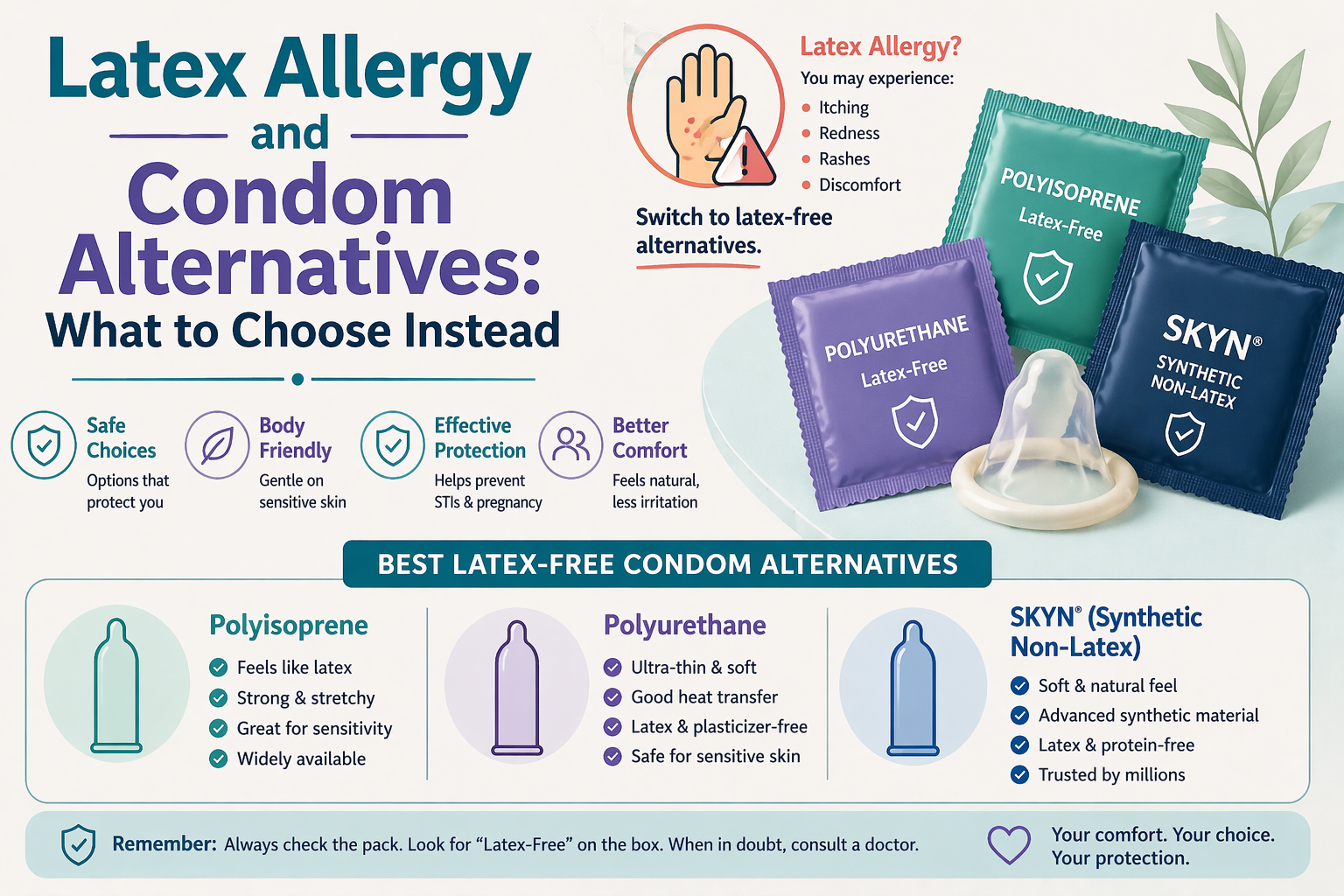
Hey there, let's chat about something that's as old as time itself, yet always evolving - safe sex. Now, I know what you're thinking, "But condoms are the way to go, right?" Well, yes, they are the gold standard, but what if you're out of them, or maybe you're looking for something different? Let's explore some alternatives that are safe, fun, and yes, even eco-friendly.
First things first: Why use alternatives?
You might be wondering, "Why would I want to use anything else when condoms are so great?" Well, my friend, there are a few reasons. Maybe you're allergic to latex, or you're looking for something with a bit more, shall we say, texture. Perhaps you're trying to reduce your environmental impact, or maybe you're just curious about what else is out there. Whatever your reason, it's always important to remember that safety and consent are the top priorities.
Let's talk about barriers
When we're talking about safe sex, we're mainly concerned with two things: preventing unwanted pregnancies and protecting against STIs. So, any alternative we discuss should ideally provide these protections. Let's start with some barrier methods that aren't your typical condom.
Must Read
Polyisoprene Condoms
These are like your regular latex condoms, but they're made from synthetic rubber instead. They're just as effective, but they're a great alternative if you're allergic to latex. They're also a bit more expensive, so keep that in mind.
Female Condoms
Yes, you heard right! Female condoms are a thing, and they're amazing. They're made of nitrile, which is a type of synthetic rubber, and they're inserted into the vagina. They're a bit bulkier than male condoms, but they're also a great way for women to take control of their sexual health. Plus, they can be inserted up to eight hours before sex, so there's no awkward fumbling at the last minute.
 9 alternative uses for condoms during a sex-less pandemic
Dental Dams
Now, let's talk about oral sex. Dental dams are thin squares of latex that are placed over the vulva or anus during oral sex. They might not sound very sexy, but they're a great way to protect against STIs. Plus, they come in flavors, so you can make oral sex even more fun!
Spermicides and sponges
These are a bit more old-school, but they're still worth mentioning. Spermicides are chemicals that kill sperm, and they come in the form of gels, foams, or films. They're inserted into the vagina before sex, and they can be used with or without a condom. Sponges are little devices that are inserted into the vagina and absorb sperm. They're not as effective as condoms, but they can be a good backup method.
Fertility awareness methods
Now, let's talk about the non-barrier methods. These are methods that rely on understanding your body's natural cycles to prevent pregnancy. The most common is the rhythm method, which involves tracking your menstrual cycle to determine when you're most likely to get pregnant. There are also apps and other tools that can help with this. However, it's important to note that these methods are not as effective as barrier methods, and they don't protect against STIs.
 What Can You Use Instead Of Condoms | Daily Thrive
And what about... toys?
Sex toys can be a great way to spice up your sex life, and they can also be used as a form of safe sex. Dildos, vibrators, and other toys can be used solo or with a partner, and they can help you explore your sexuality in a safe and consensual way. Just make sure to clean them properly to prevent the spread of infections.
But what about the environment?
You might be wondering, "Are these alternatives eco-friendly?" The answer is, it depends. Latex condoms, dental dams, and female condoms are all made from rubber, which is a renewable resource. However, they're not biodegradable, so they'll still end up in a landfill if they're not disposed of properly. Polyisoprene condoms are made from synthetic rubber, which is not as eco-friendly. Spermicides and sponges are also not very eco-friendly, as they're made from petroleum-based products. Sex toys can be made from a variety of materials, some of which are more eco-friendly than others. The best thing you can do is to choose products that are made from body-safe, non-toxic materials, and to dispose of them responsibly.
So, what's the bottom line?
There are plenty of alternatives to traditional condoms, and each has its own pros and cons. The most important thing is to choose a method that works for you, that you feel comfortable with, and that you use consistently and correctly. Remember, safe sex is all about communication, consent, and respect. It's about having fun, but also being responsible. So, go forth, explore, and have fun, my friend. Your sexual health is in your hands, and that's a powerful thing.
