Location Of Oil Rigs In Gulf Of Mexico

Ever wondered what's going on beneath the waves of the Gulf of Mexico? You're not alone! It's like having a massive, underwater neighborhood, and today, we're going to take a...
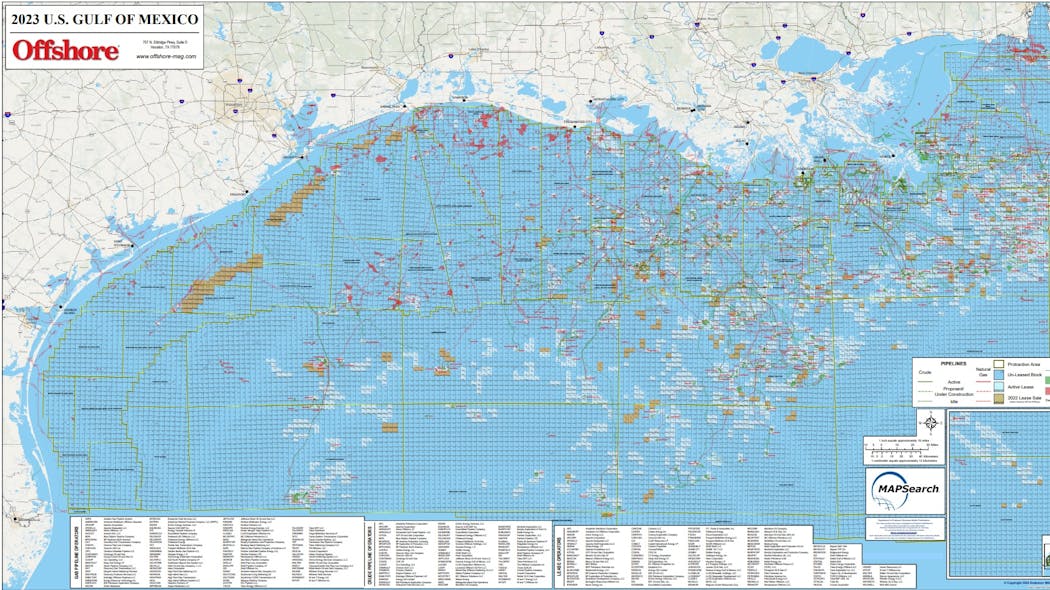
Ever wondered what's going on beneath the waves of the Gulf of Mexico? You're not alone! It's like having a massive, underwater neighborhood, and today, we're going to take a peek at who's living there - specifically, those big, bad, oil rigs.
Why Should You Care?
You might be thinking, "Oil rigs? Really? I just want to know where to find the best beach for my next vacation!" Well, hold your beach balls, because understanding where these oil rigs are can actually help us appreciate our coastline, protect our wildlife, and even plan our next road trip (yes, really!).
Let's Start with the Basics
Imagine you're at a big, bustling city park. You've got your picnic blanket, some sandwiches, and maybe even a frisbee. Now, picture a huge, towering building suddenly popping up right in the middle of the park. That's basically what an oil rig is - a massive, industrial structure that's been plopped down in the middle of the ocean.
Must Read
But unlike that sudden city park construction, oil rigs in the Gulf of Mexico have been carefully planned and placed. They're not just floating around willy-nilly (although, wouldn't that be a sight?).
So, Where Are They?
Grab a map of the Gulf of Mexico and let's take a little tour. You'll see that most oil rigs are huddled together in certain areas, like a bunch of friends at a party. These areas are known as leases, and they're where oil and gas companies have permission to drill for resources.
One of the biggest parties, or rather, leases, is the Central Gulf of Mexico. It's like the popular kid in school, with everyone wanting to be its friend (or, in this case, drill nearby). This lease is home to some of the deepest water drilling in the world, with rigs reaching depths of over 10,000 feet!
Another popular spot is the Western Gulf of Mexico. This area is shallower than its central cousin, but it's still a hotspot for drilling. It's like the cool, laid-back friend who's always up for a good time, but doesn't need to be the center of attention.
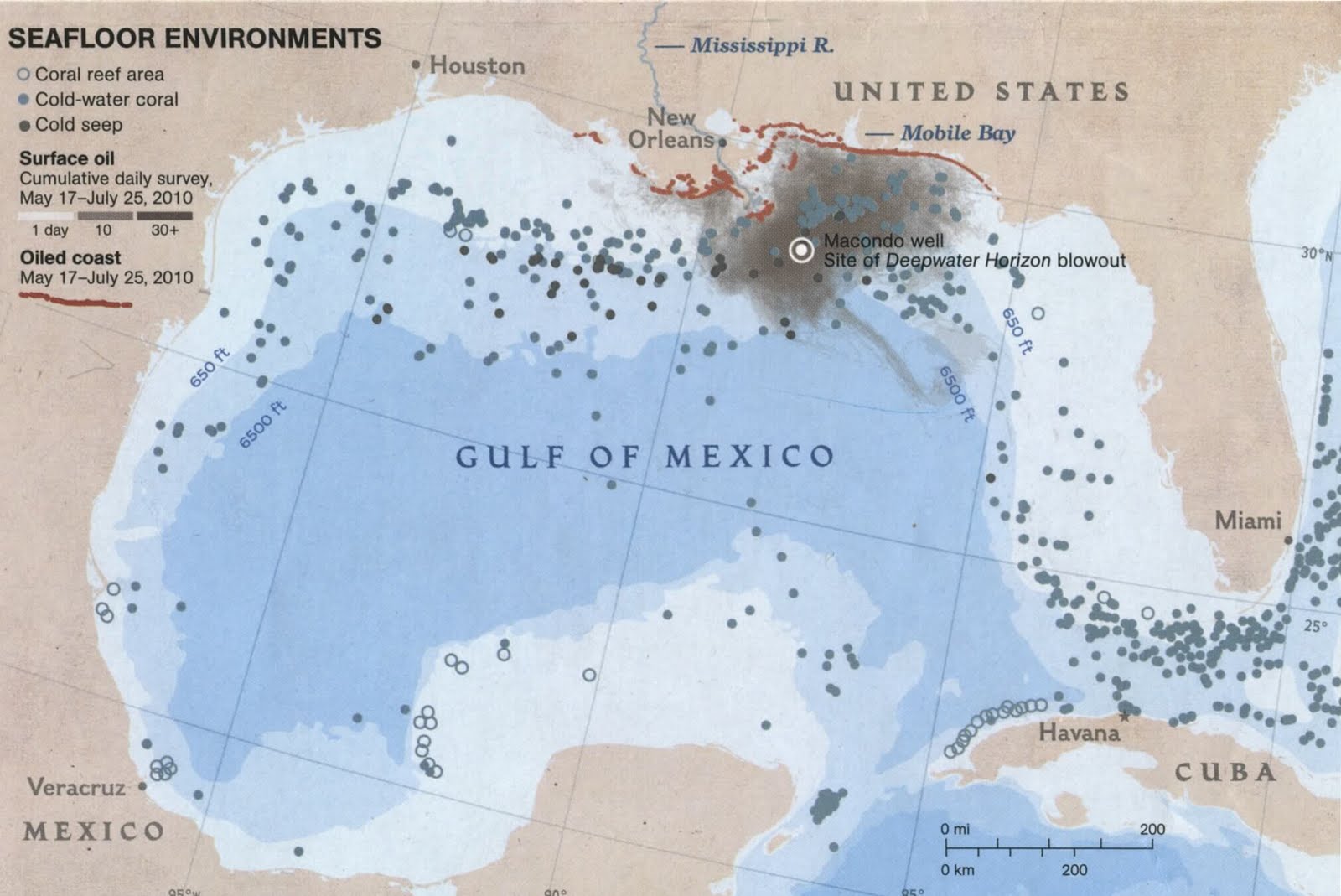 Gulf of Mexico Oil Fields Map: Offshore Drilling Locations
Why Does It Matter?
You might be thinking, "Okay, okay, I get it. There are oil rigs in the Gulf of Mexico. But why should I care?" Well, let me tell you, there are a few reasons why understanding the location of these rigs is important.
First off, knowing where oil rigs are can help us protect our wildlife. The Gulf of Mexico is home to some amazing creatures, from dolphins to sea turtles. By understanding where these rigs are, we can make sure that our beloved sea friends aren't disturbed or harmed during drilling operations.
Second, understanding the location of oil rigs can help us plan our beach vacations. Yes, you heard it right! If you know where the rigs are, you can avoid areas with potential noise pollution or, in the worst-case scenario, oil spills. No one wants their beach day ruined by a sudden, unexpected oil slick (yikes!).
Lastly, understanding the location of oil rigs can help us appreciate the incredible engineering feats that these structures represent. These aren't just big, floating buildings - they're complex, cutting-edge pieces of technology that allow us to explore and extract resources from one of the most challenging environments on Earth.
 Oil Rigs In Gulf Of Mexico Map - Map Worksheets
But What About the Environment?
You might be worried about the environmental impact of these oil rigs. And you're right to be concerned! Drilling for oil can have serious consequences for our oceans and wildlife. But here's the thing - understanding the location of these rigs is the first step in mitigating that impact.
By knowing where the rigs are, we can implement better safety measures, monitor their operations more effectively, and even plan for their eventual decommissioning. It's like having a well-planned party - you know where the music's going to be, where the food is, and how to clean up afterwards. With oil rigs, it's the same idea - the more we know, the better we can plan and protect our oceans.
So, Let's Wrap This Up
There you have it - a quick, informal tour of the oil rigs in the Gulf of Mexico. We've talked about why you should care, where these rigs are located, and how understanding their placement can help us protect our oceans and plan our beach vacations.
Next time you're lounging on the beach, sipping a cold drink, and feeling the warm Gulf breeze on your face, remember that there's a whole underwater world out there, filled with incredible engineering feats and amazing wildlife. And with a little bit of knowledge, we can all do our part to protect and appreciate it.
So, go ahead, enjoy your beach day, and maybe even learn a thing or two about the fascinating world beneath the waves. Just remember to keep your frisbee away from the oil rigs - they're not great at catching!
