Como Saber Si La Piel De Mantarraya Es Original

Spot the Frog: Is That Mantarraya Skin for Real? Ever stumbled upon a 'genuine' mantarraya skin jacket at a market and wondered, "Is this the real deal or just a croaky copy?"...
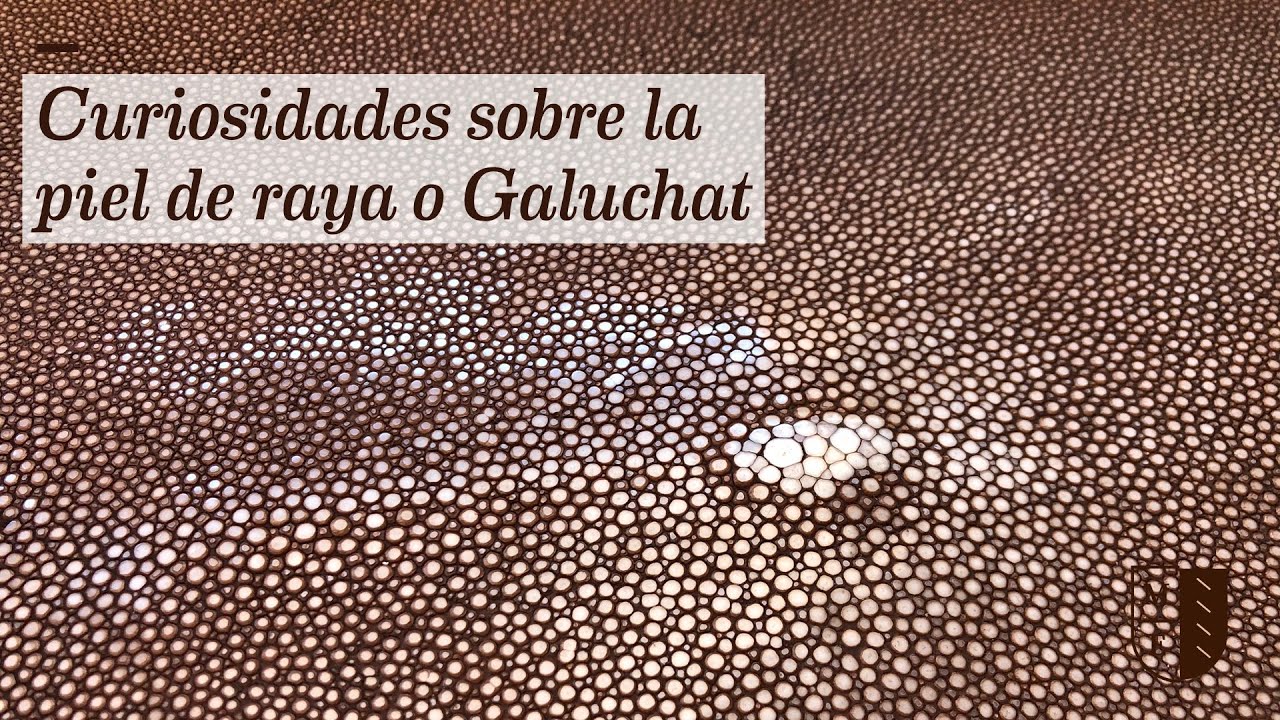
Spot the Frog: Is That Mantarraya Skin for Real?
Ever stumbled upon a 'genuine' mantarraya skin jacket at a market and wondered, "Is this the real deal or just a croaky copy?" Well, buckle up, 'cause we're about to dive into the wild world of mantarraya skin, and trust me, it's gonna be a hoot!
First Things First: What's a Mantarraya?
Alright, let's start with the basics. A mantarraya, or 'devil ray,' is a type of fish that's as close to a superhero as you can get in the ocean. They've got these massive, kite-like pectoral fins that can span up to 23 feet – yes, you read that right, 23 feet! And get this, they can leap out of the water like a dolphin, putting on a show that's straight out of a Hollywood action flick.
Now, here's where it gets a bit tricky. These bad boys are found in tropical and temperate waters worldwide, which means they're not exactly rare. But, their population is declining due to overfishing and bycatch. So, while they're not endangered, it's still important to be mindful of where your mantarraya skin products come from.
Must Read
So, How Can You Tell If It's the Real McCoy?
Alright, let's get down to business. You're at a market, and you spot a gorgeous, sleek mantarraya skin jacket. But how do you know it's not just a cleverly disguised catfish skin? Here are some tips to help you spot the real deal:
1. Check the Pattern: A genuine mantarraya skin will have a distinctive, diamond-shaped pattern. It's like a fingerprint – no two are exactly alike. So, take a close look. If it's too perfect or repetitive, it might be a fake.
2. Feel the Texture: Real mantarraya skin has a unique, almost velvety texture. It's not too rough or too smooth – it's just right. If it feels like leather or plastic, it's probably not the real thing.
 Primer genuino de la piel de mantarraya. super macro | Foto Premium
3. Look for Scales: Here's a fun fact – mantarrayas have tiny, barely noticeable scales. So, if you're looking at a piece of skin and it's completely smooth, it might be a fake. But remember, these scales are tiny, so you'll need a magnifying glass to spot them.
4. Ask Questions: If you're buying from a reputable seller, they should be able to tell you where the skin came from. They should also be able to show you certification from organizations like the Convention on International Trade in Endangered Species of Wild Fauna and Flora (CITES). If they can't or won't, it's probably best to walk away.
But Why All the Fuss About Mantarraya Skin?
Well, apart from being super cool, mantarraya skin is also incredibly strong and durable. It's used to make everything from jackets and bags to guitar straps and even surfboards. But here's the thing – it's not just about the skin. It's about the amazing creature that once wore it.
 Pin en Zankora
Mantarrayas are not only fascinating to look at, but they're also crucial to the health of our oceans. They help keep fish populations in check, and their leaping antics help spread fish eggs and larvae around. So, by buying genuine mantarraya skin products, you're not just getting a unique piece of fashion – you're also supporting the conservation of these incredible creatures.
And Finally, a Word of Caution
While it's great to want a genuine mantarraya skin product, it's important to remember that these creatures are not just fashion accessories. They're living, breathing animals that deserve our respect and protection. So, if you do decide to buy, make sure it's from a reputable source that can guarantee the skin was obtained ethically and sustainably.
And there you have it – your crash course in spotting genuine mantarraya skin. So, the next time you're at a market, you can strut your stuff like a true ocean explorer. Just remember, it's not just about the skin – it's about the story behind it. And that, my friend, is a tale worth telling.
