How Do I Get My Tubes Tied

So, you're thinking about getting your tubes tied, huh? Let's grab a coffee and chat about it. I won't bore you with the whole 'in this digital era' spiel, let's dive right in...
So, you're thinking about getting your tubes tied, huh? Let's grab a coffee and chat about it. I won't bore you with the whole 'in this digital era' spiel, let's dive right in, yeah?
First things first, what's tubal ligation?
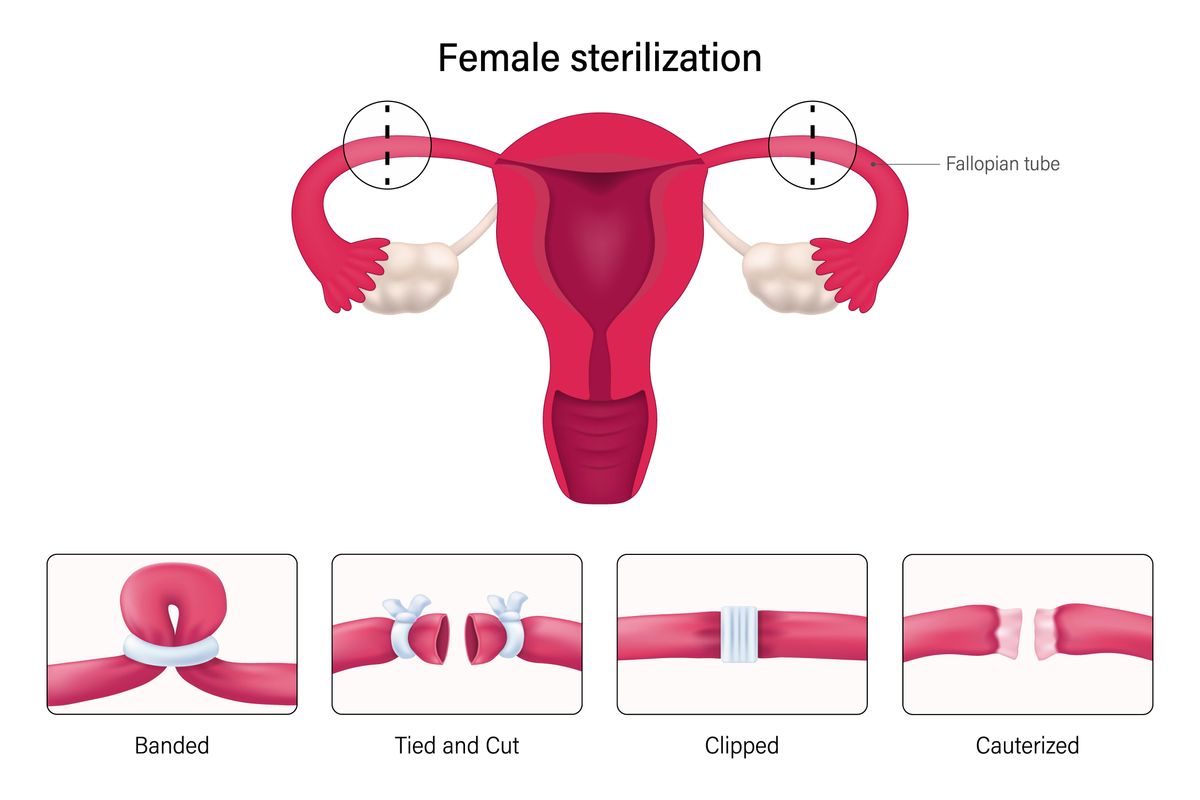
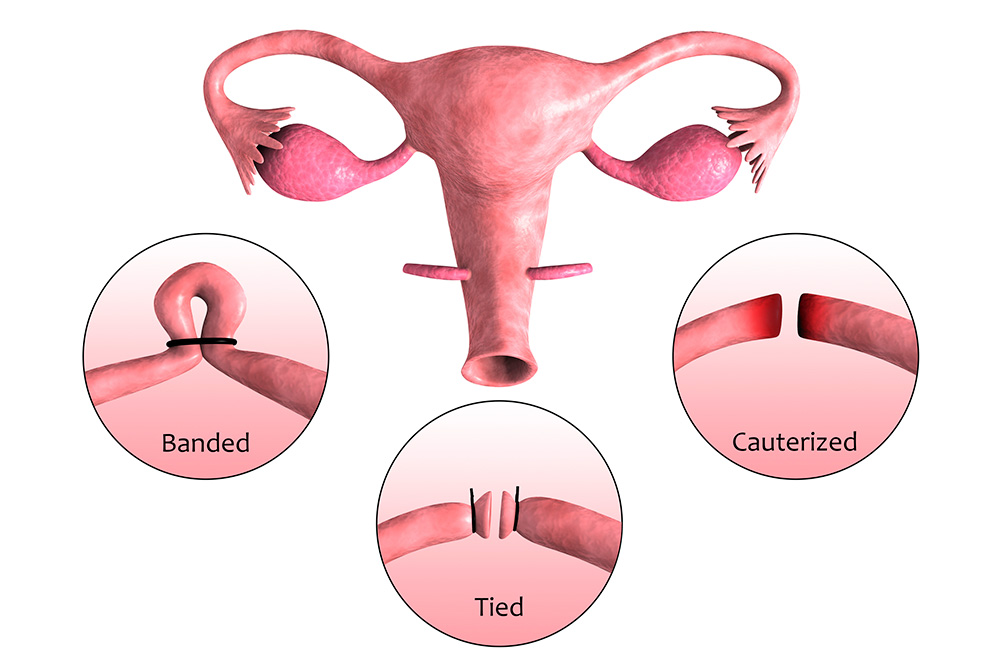
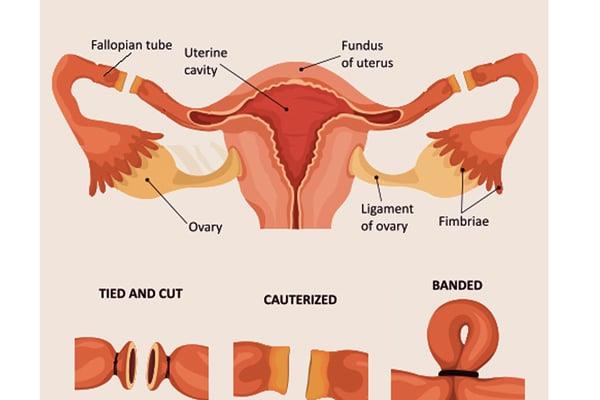
In simple terms, it's a procedure where your fallopian tubes are cut, blocked, or cauterized to prevent eggs from reaching your uterus. No eggs, no fertilization, no babies. It's a permanent method of birth control, so it's a big decision, but don't let that scare you off just yet.
Now, who's this procedure for? Well, if you're sure you don't want any more kids, or maybe you've never wanted them in the first place, and you're done with hormonal birth control, tubal ligation could be your gal.
Alright, so how's it done?
There are a few methods, but the most common is laparoscopy. That's where they make a tiny cut in your belly button, insert a thin tube with a camera, and voila! They can see your insides on a screen. Then, they use other little tools to cut or block your tubes.
It's usually done under general anesthesia, so you'll be snoozing through the whole thing. The procedure takes about 30 minutes, and you'll probably go home the same day. Recovery takes a few days to a week, and you'll need someone to drive you home and help out for a bit.
 Tubes Tied Still Get Period | The Tube
Any risks or side effects?
Like any procedure, there are some risks. Infection, damage to nearby organs, and even ectopic pregnancy (though that's rare) are all possibilities. But don't let that freak you out, okay? These complications are rare, and your doc will go over them with you.
As for side effects, some people experience cramping, nausea, or fatigue after the procedure. But again, everyone's different, and you might sail through it like a champ.
What about reversibility?
I know, I know, you're thinking, "What if I change my mind?" Well, tubal ligation is considered permanent, but there are procedures that can reverse it. A tubal ligation reversal is more complex and expensive than the initial procedure, and there are no guarantees it'll work. So, it's really important to be sure about your decision.
 Tubal ligation: Pros and cons of getting your tubes tied | Monitor
So, how do I get it done?
First, you'll need to talk to your doc. They'll want to make sure you understand the procedure, the risks, and the fact that it's permanent. You might need to have a waiting period or a follow-up appointment to confirm your decision.
Then, it's just a matter of scheduling the procedure. You'll need to arrange for someone to drive you home, and maybe take a few days off work. And that's it! You'll be on your way to permanent peace of mind (or at least, permanent peace of uterus).
Remember, this is a big decision, and it's okay to take your time. Talk to your doc, talk to your partner, talk to your mom, talk to your dog - whoever you need to talk to. And hey, if you ever want to chat about it, I'm here. Just buy me another coffee, yeah?
