What Is A Nine Digit Zip Code

So, you've been hearing about these nine-digit zip codes, huh? You're probably thinking, "What's the big deal? I've been managing just fine with my five-digit one." Well, grab...
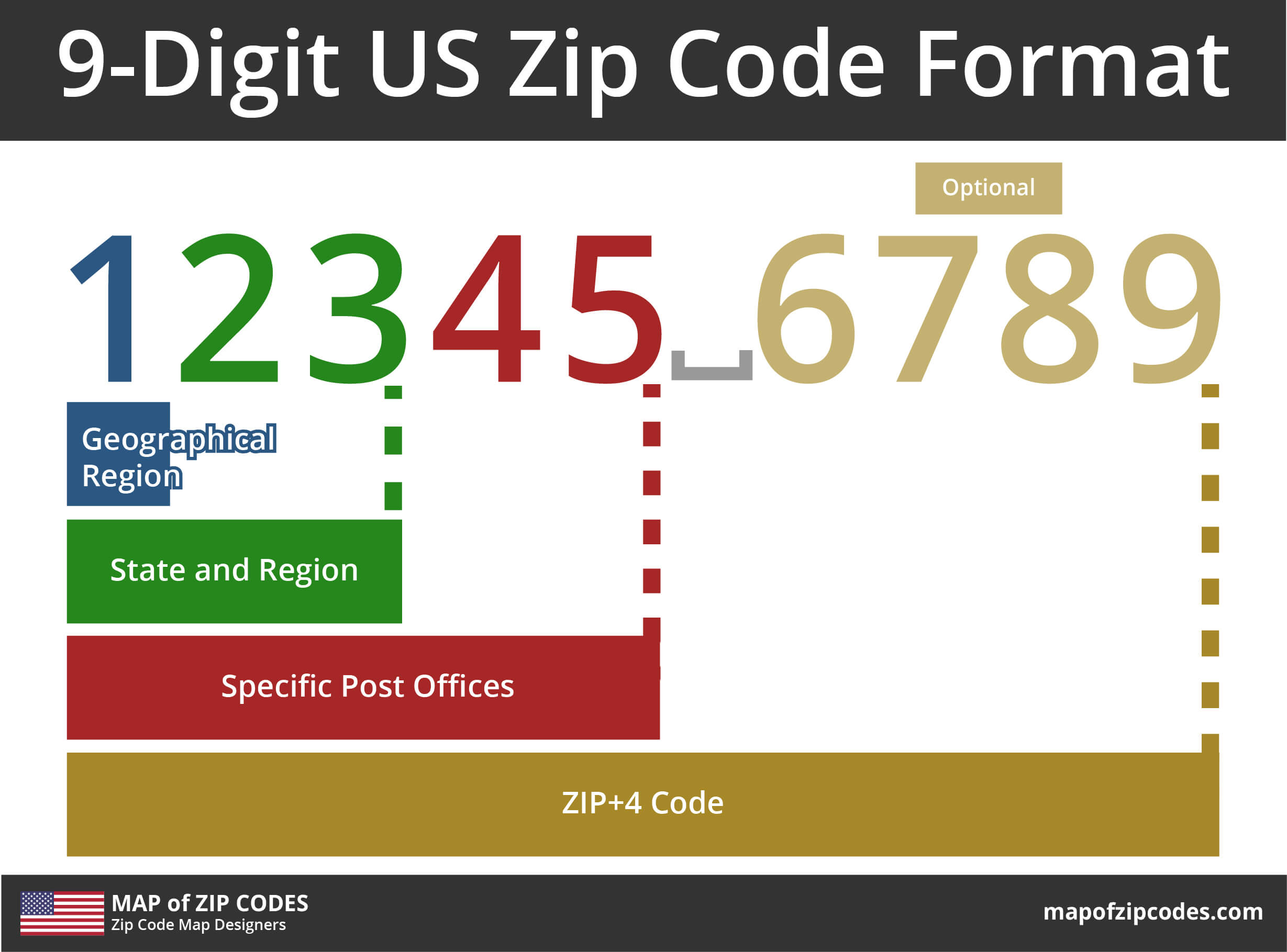
So, you've been hearing about these nine-digit zip codes, huh? You're probably thinking, "What's the big deal? I've been managing just fine with my five-digit one." Well, grab a coffee, my friend, 'cause we're about to dive into the world of nine-digit zip codes, and let me tell you, it's not just about the digits, it's about the drama!
From Five to Nine: The Zip Code Journey
Once upon a time, in a land not so far away, there were only five-digit zip codes. They were simple, they were easy, and they were... well, they were fine. But then, the mail started to pile up, and the post office said, "Hey, we need a change!" And so, the journey to nine digits began.
Now, you might be wondering, "Why the sudden need for more digits?" Well, my curious friend, it's all about precision. With more digits, the post office can sort mail more efficiently, ensuring your letters and packages reach their destinations faster than you can say "snail mail". It's like going from a general map to a detailed one - you can find your way to the park with either, but with the detailed one, you might even find the best spot for a picnic!
Must Read
What's in a Digit?
Alright, so let's talk about these nine digits. They're not just random numbers, you know. They've got a system, a pattern, a rhythm, if you will. The first five digits, they're the ones you know and love (or at least tolerate). They represent the postal district, the area where your mail starts its journey.
The next four digits, though, they're the new kids on the block. They're called the "delivery point code", and they're all about getting your mail to your doorstep. These digits help the post office sort your mail down to the individual address, like a mail-sorting GPS, if you will. It's like going from "New York" to "123 Main Street, Apartment 4B" - one gets you to the city, the other gets you to your friend's place for that long-awaited pizza night!
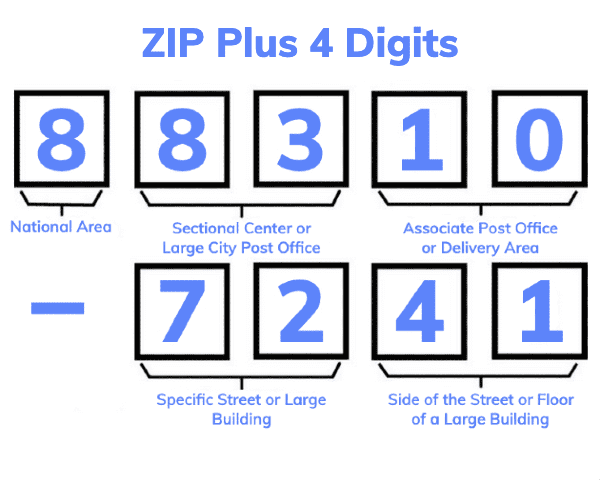 ZIP+4 Codes™ Lookup by Address | What It Is & How to Find It
But Wait, There's More!
You might be thinking, "This is all well and good, but why should I care?" Well, my friend, let me paint you a picture. Imagine you're sending a package to your grandma for her birthday. With a five-digit zip code, it's like you're giving the post office a general location and hoping for the best. But with a nine-digit zip code, it's like you're giving them a detailed map, complete with turn-by-turn directions. Your package is more likely to reach Grandma's doorstep on time, and she'll be thrilled to bits, all because of those extra four digits!
Plus, think about all the fun you can have with nine-digit zip codes! You can create secret codes with your friends, or even use them to play a real-life game of "Guess the Address" (just don't stalk people, okay?). It's like going from a black-and-white TV to a color one - sure, you could watch your favorite shows in black and white, but with color, it's just so much more... vibrant!
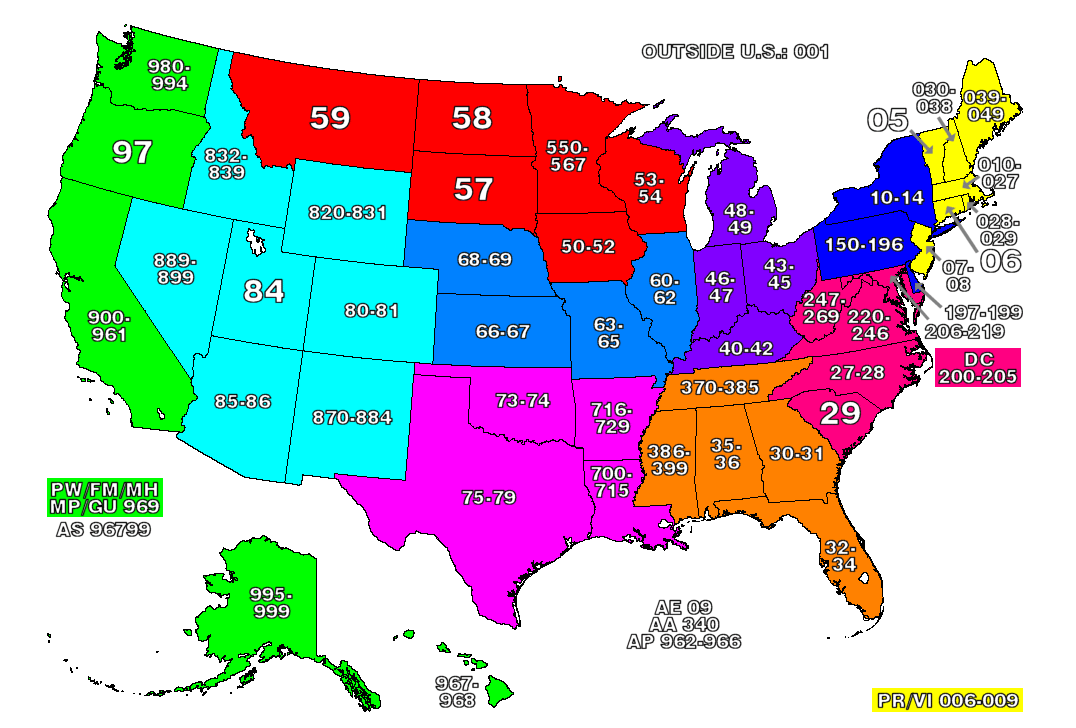 Demystifying The 9 Digit Zip Code Map: Beyond The Basic 5
So, Are You Ready to Join the Nine-Digit Revolution?
I hope by now, you're as excited about nine-digit zip codes as I am. They might seem like a small thing, but they make a big difference in the world of mail. They're like the unsung heroes of the postal service, working tirelessly behind the scenes to ensure your letters and packages reach their destinations.
So, the next time you're filling out an address, don't just throw in those first five digits and call it a day. Embrace the power of nine digits, and watch as your mail becomes faster, more efficient, and dare I say, magical.
And remember, my friend, every time you see a nine-digit zip code, you're not just looking at numbers. You're looking at a promise - a promise that your mail will reach its destination, and that the world of mail will continue to evolve, one digit at a time. Isn't that something to smile about?
