Who Has Known The Mind Of God

So, there I was, sitting in my favorite coffee shop, the one with the grumpy barista who makes the best coffee in town. I was trying to wrap my head around a book I'd been rea...
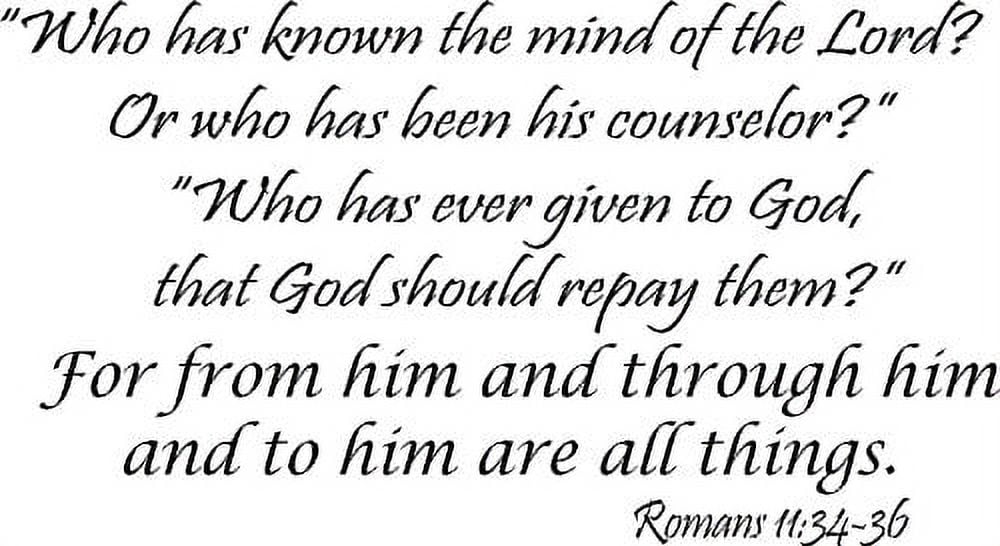
So, there I was, sitting in my favorite coffee shop, the one with the grumpy barista who makes the best coffee in town. I was trying to wrap my head around a book I'd been reading, something about quantum physics. You know, just your average light Sunday morning read. And I thought to myself, "Wow, if I can understand this, I can understand anything. I might as well try to figure out the mind of God." I mean, right?
Now, before you roll your eyes and scroll away, let me assure you, I'm not about to start a theological debate here. I'm just a curious cat, trying to make sense of the world. And if there's one thing that's always fascinated me, it's the big questions. You know, the ones that keep us up at night, staring at the ceiling, wondering if we're alone in the universe, or if there's a grand plan behind it all.
So, Who's Known the Mind of God?
That's the million-dollar question, isn't it? I mean, if we could just sit down with the big guy, have a chat, ask a few questions, we'd be all set, right? But alas, it's not that simple. Or is it?
Must Read
Throughout history, people have been trying to understand the divine mind. Some have claimed to have had direct communication, others have spent their lives studying the signs and symbols they believe point to a greater understanding. But have any of them really known the mind of God?
Mystics and Prophets
Let's start with the mystics and prophets. These are the folks who claim to have had direct, personal experiences with the divine. They've seen visions, heard voices, felt the presence of something greater than themselves. They've written about these experiences, trying to share the ineffable with the rest of us. But can we really understand what they're trying to tell us?
Take, for example, Moses on Mount Sinai. He's up there, talking to God, getting the Ten Commandments. That's a pretty direct line, right? But even Moses had to come down the mountain to share what he'd learned. And let's face it, we're still arguing about what those commandments mean today.
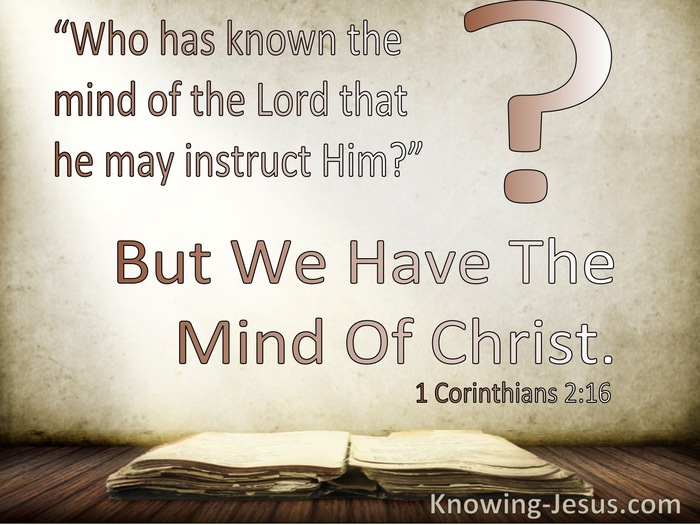 1 Corinthians 2:16 For who has known the mind of the Lord, that he will
Then there's Mystic Teresa, who wrote about her experiences of divine love and suffering. Her words are powerful, moving, but they're also deeply personal. What she experienced, what she felt, is unique to her. It's like trying to describe the taste of chocolate to someone who's never had it. You can use all the words you want, but until they taste it for themselves, they'll never really know.
Scientists and Philosophers
On the other end of the spectrum, we have the scientists and philosophers. They're not looking for personal revelations, they're looking for patterns, for logic, for something they can understand through reason and observation. But can they really understand the mind of God?
Take Einstein, for example. He famously said, "I want to know how God created this world. I am not interested in this or that phenomenon, in the spectrum of this or that element. I want to know His thoughts, the rest are details." But even Einstein, with all his genius, was still looking for details. He was still trying to understand the universe through the lens of human reason.
 1 Corinthians 2:16 For who has known the mind of the Lord, that he will
And what about Plato and his Forms? He argued that the physical world is just a shadow of the real world of Forms, or Ideas. But even if that's true, it's still a human idea. It's still a way for us to try to make sense of the world, not a direct understanding of the divine mind.
So, Can Anyone Really Know the Mind of God?
Well, that's the million-dollar question, isn't it? And I don't have an answer for you. I'm just a curious cat, sitting in a coffee shop, trying to wrap my head around the big questions. But here's what I do know:
We're all in this together. We're all trying to make sense of the world, trying to understand the divine, trying to figure out what it all means. And even if we can't understand the mind of God, even if we can't know the unknowable, we can still learn from each other. We can still share our stories, our experiences, our ideas. We can still try to understand the details, even if we can't understand the whole.
So, what do you think? Have you ever tried to understand the mind of God? What did you come up with? I'd love to hear your thoughts. After all, we're all just trying to figure this thing out, one cup of coffee at a time.
