Should My Roaming Be On Or Off

So, you're wandering around, phone in hand, and suddenly you're hit with that dreaded question: "Should my roaming be on or off?" It's like trying to decide between the last s...

So, you're wandering around, phone in hand, and suddenly you're hit with that dreaded question: "Should my roaming be on or off?" It's like trying to decide between the last slice of pizza or that extra scoop of ice cream - a decision that could either make your day or leave you with a nasty surprise on your next bill.
Roaming: The Great Unknown
Let's start with the basics. Roaming, in simple terms, is like giving your phone a passport. It allows your device to make calls, send messages, or use data when you're not in your home country or network. Sounds great, right? But here's where it gets tricky. Roaming can be as unpredictable as a toddler on a sugar rush. One minute it's all fun and games, the next minute you're looking at a bill that could make your eyes water more than a sad rom-com.
Roaming vs. Data: The Battle of the Bands
Now, you might be thinking, "Well, can't I just use my data instead?" Well, sure, if you're into living life on the edge. You see, data roaming and your regular data plan are like two different bands playing at the same festival. They might sound similar, but they're charging you in very different ways.
Must Read
Your regular data plan is like the headliner band - you know what you're getting, and you've paid for it. But data roaming? That's the unknown band playing at the after-party. You might love them, but you have no idea how much they're going to charge you for the experience.
When Roaming is the Life of the Party
So, when should you let your roaming flag fly? Well, if you're traveling internationally and you need to use your phone, roaming can be your best friend. It's great for making calls, sending messages, or using maps to navigate those winding cobblestone streets. But remember, it's like that friend who's always up for a good time but can get a little too wild - use it wisely.
For example, if you're in a country where you can't use your local SIM card, roaming can be a lifesaver. Or if you need to make an urgent call or send a message, roaming can be your hero. But if you're just browsing social media or streaming movies, it might be best to find a Wi-Fi connection and leave roaming to the sidelines.
Roaming Like a Pro
If you do decide to roam, there are a few tips to keep in mind. First, check with your carrier about their international roaming plans. Some carriers offer daily or weekly plans that can save you a lot of money. Second, turn off data roaming and use Wi-Fi whenever possible. And third, keep an eye on your usage. It's easy to lose track of how much you're using, and before you know it, you're looking at a bill that could fund a small country.
And if all else fails, remember the golden rule of roaming: when in doubt, turn it off. It might not be as fun as leaving it on, but at least you won't have to sell your kidney to pay off your bill.
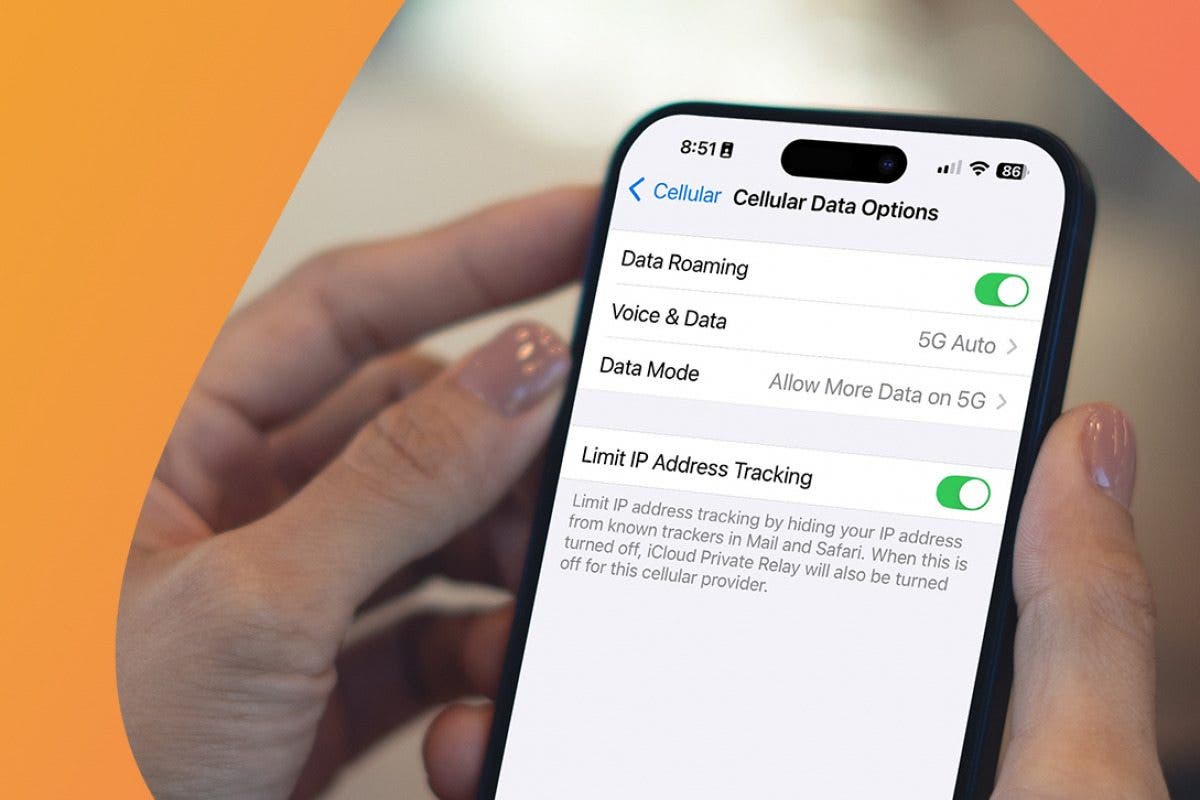 What Is Data Roaming on iPhone & Should It Be On or Off?
When Roaming is the Party Crasher
Now, let's talk about when roaming is the party crasher. If you're traveling domestically, or if you're in a country where you can use your local SIM card, it's usually best to turn off roaming. Why? Well, because your carrier can charge you an arm and a leg for the privilege of using your phone abroad.
For example, did you know that some carriers charge up to $2 per minute for calls made while roaming? Or that they can charge you up to $10 per megabyte of data used? Yes, you read that right. That's like charging you $10 for a single song on Spotify. It's enough to make even the most die-hard roaming fan think twice.
The Roaming Horror Stories
But don't just take our word for it. There are countless horror stories out there about people who thought they were being smart by leaving their roaming on, only to find themselves with bills that could feed a small village for a year. Like the woman who racked up a $20,000 bill for using her phone in Europe, or the man who was charged $3,000 for sending a single text message while on vacation.
And it's not just about the money. Roaming can also eat into your data allowance like a hungry Pac-Man. Before you know it, you're left with no data and no way to find your way back to your hotel. Not to mention the fact that roaming can also drain your battery faster than a teenager at a buffet.
The Roaming Alternative: Wi-Fi
So, what's the alternative? Well, if you're traveling internationally, the best way to stay connected is to use Wi-Fi. Most hotels, cafes, and even some public spaces offer free Wi-Fi, and it's a great way to stay connected without breaking the bank.
 Do I Want Data Roaming On or Off? What You Should Know
And if you're really desperate, you can always buy a local SIM card. It might take a little bit of effort, but it's usually a lot cheaper than using your regular plan. Plus, it's a great way to make new friends - just don't be surprised if they start speaking to you in a language you don't understand.
The Wi-Fi Hunt
But even with Wi-Fi, there are challenges. Like trying to find a signal in a crowded tourist spot, or dealing with slow connections that make you want to throw your phone out the window. And let's not forget about the constant fear of being hacked while connected to public Wi-Fi. It's enough to make you want to give up and just use your data plan - but resist the temptation!
The Roaming Dilemma: A Tale of Two Phones
So, what's the final verdict? Should your roaming be on or off? Well, it depends. It's like having two phones - one that's always ready for a good time, and one that's more cautious. The roaming phone is great for emergencies and international travel, but it can also get you into a lot of trouble if you're not careful. The non-roaming phone is safer, but it can also be a bit of a party pooper.
The best solution? Have both phones, and know when to use each one. Turn off roaming when you're traveling domestically or using a local SIM card, and turn it on when you're traveling internationally and need to use your phone. And always, always, always keep an eye on your usage. Because while roaming can be a great way to stay connected, it can also be a great way to rack up a huge bill.
So, there you have it. The great roaming debate, solved. Now go forth, traveler, and use your phone wisely. And if all else fails, just remember: when in doubt, turn it off. Your wallet (and your carrier) will thank you.
