How To Find Joists In A Ceiling

Ever found yourself in a DIY dilemma, staring up at your ceiling, wondering, "Where on Earth do those joists hide?" You're not alone, my friend. Finding joists in a ceiling is...
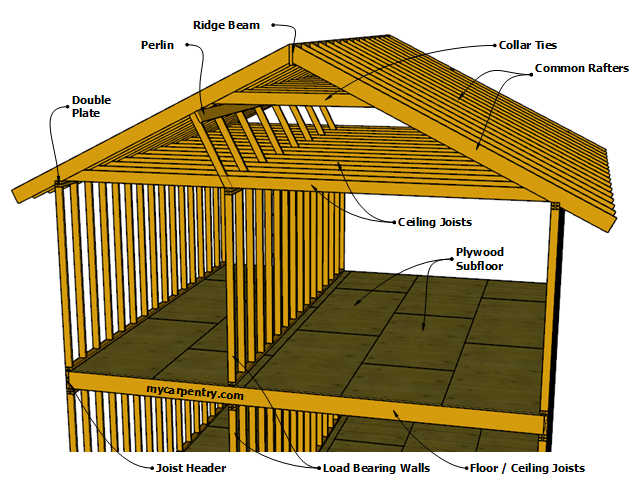
Ever found yourself in a DIY dilemma, staring up at your ceiling, wondering, "Where on Earth do those joists hide?" You're not alone, my friend. Finding joists in a ceiling is like playing a real-life game of hide and seek, and we're here to help you win.
Why Bother With Joists?
Before we dive into the fun part, let's talk about why you should care about these sneaky ceiling inhabitants. Joists are the unsung heroes of your home, acting as the skeleton that supports your floor and ceiling. They're crucial for any renovation project, from installing new lighting to adding a skylight. Plus, knowing where they are can help you avoid costly mistakes, like drilling into a load-bearing beam.
Think of joists like the supporting cast in a Broadway show. They might not have the star power of the main characters, but without them, the whole production would fall apart. So, let's give them the recognition they deserve.
Must Read
Let's Get Started!
First things first, safety first. Before you start poking around in your ceiling, make sure you've turned off the power to the room at your circuit breaker. The last thing you want is to become a human light switch.
Step 1: Find Your Joists From Below
Start by looking at your ceiling from below. Joists usually run perpendicular to the floor joists, so if you can see your floor joists, you've got a head start. Look for patterns in your ceiling, like where your walls meet the ceiling or where your light fixtures are. These are often good indicators of where your joists are hiding.
Think of it like trying to find Waldo in a Where's Waldo? book. You're looking for patterns and clues that will lead you to your target. And unlike Waldo, joists aren't wearing striped shirts and red hats, so this might take a bit more effort.
Step 2: Inspect Your Attic
If you have an attic, now's the time to dust off your flashlight and head up there. Joists are typically 16 or 24 inches apart on center, so look for gaps in your ceiling that match these measurements. Once you've found a gap, use a stud finder to locate the exact position of the joist.
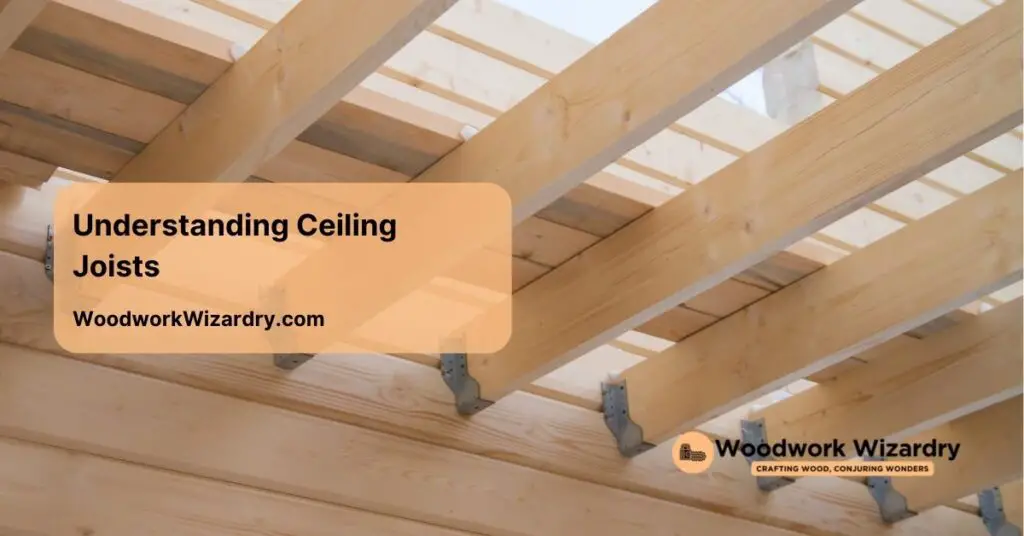 A Step-by-Step Guide to Finding Ceiling Joists in the UK
Pro tip: If you're having trouble seeing in your attic, try using a headlamp. It's like becoming a human flashlight, and it'll make your search a whole lot easier. Plus, you'll feel like you're on a real-life treasure hunt.
Step 3: Use Sound and Touch
If you're still having trouble locating your joists, it's time to get hands-on. Gently tap on your ceiling with a broom handle or a long piece of wood. You should hear a hollow sound when you hit an area without a joist and a solid thud when you hit one. Be careful not to use too much force, or you might end up with a ceiling full of unexpected holes.
Think of it like playing the drums, but instead of creating music, you're creating a ceiling map. And instead of a drum kit, you've got a broom handle and a ceiling. It's not quite the same, but it's still pretty fun.
When in Doubt, Call a Pro
If you've tried all these steps and you're still having trouble finding your joists, it might be time to call in a professional. They've got the tools and the know-how to find those sneaky joists and get your project done right.
 How to Locate Joists in Ceiling for Accurate Home Repairs
Think of it like hiring a personal trainer at the gym. You could try to figure out how to use all the machines on your own, but with a pro, you'll get results faster and safer. The same goes for finding joists in your ceiling.
Reflections From Above
So, you've found your joists, and now you're ready to tackle that DIY project you've been dreaming of. But before you grab your drill and start making holes, take a moment to appreciate the intricate web of support that's holding your home together.
Joists might not be the most glamorous part of your home, but they're a crucial part of what makes it a place you can call your own. They're a reminder that even the smallest, most hidden parts of our lives deserve our respect and care.
Next time you look up at your ceiling, remember the dance of joists hidden just above, supporting you in more ways than you know. And who knows? Maybe you'll even start to appreciate your ceiling a little more. After all, it's not just a surface - it's a story of support, strength, and the quiet heroes that hold our world together.
