What Bones Are Attached To The Humerus

Picture this: You’re mid-movie marathon, munching on popcorn, and suddenly your arm goes “whoops”—like a deflating balloon when you realize you’ve been holding it wrong for 3...
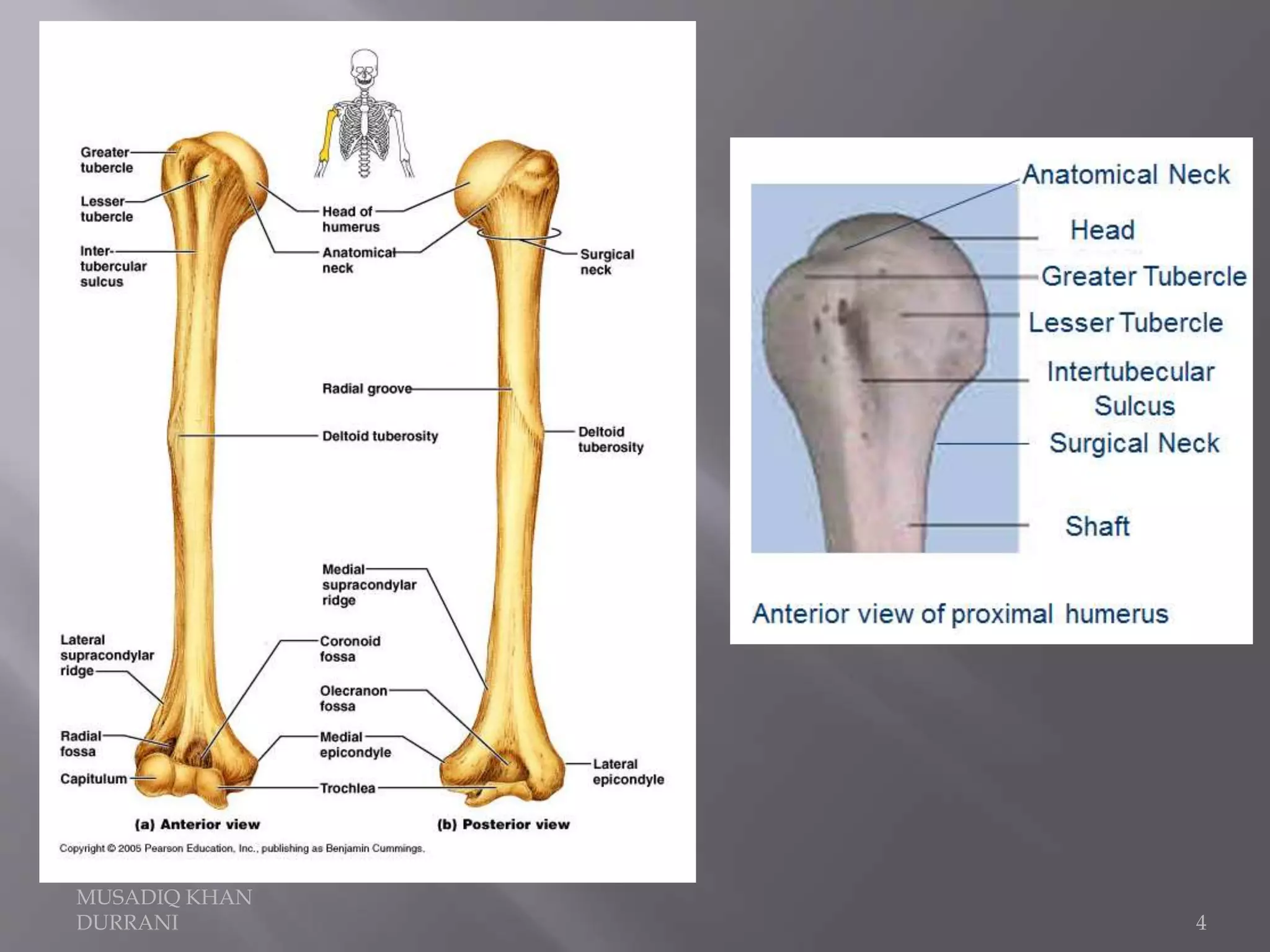
Picture this: You’re mid-movie marathon, munching on popcorn, and suddenly your arm goes “whoops”—like a deflating balloon when you realize you’ve been holding it wrong for 3 hours. That’s your humerus, the big ol’ bone in your upper arm, just reminding you it’s got a few friends it likes to hang out with.
Your humerus isn’t a lone wolf—it’s the cool kid who always has a party. And just like your favorite group chat, it’s got a few key connections that keep things running smoothly. Let’s break it down, because knowing your anatomy is basically your body’s version of a “How We Met” reunion.
Meet the Humerus: The Upper Arm’s Main Character
The humerus is the long bone in your upper arm, stretching from your shoulder to your elbow. Think of it like the backbone of a superhero—without it, you’d be flailing around like a chicken with its head cut off (which, by the way, is not a look you want).
Must Read
It’s got two ends: the proximal end (near the shoulder) and the distal end (near the elbow). The proximal end is where things get social, because that’s where it meets up with some serious players.
Shoulder Connection: The Humerus’ Bestie, the Scapula
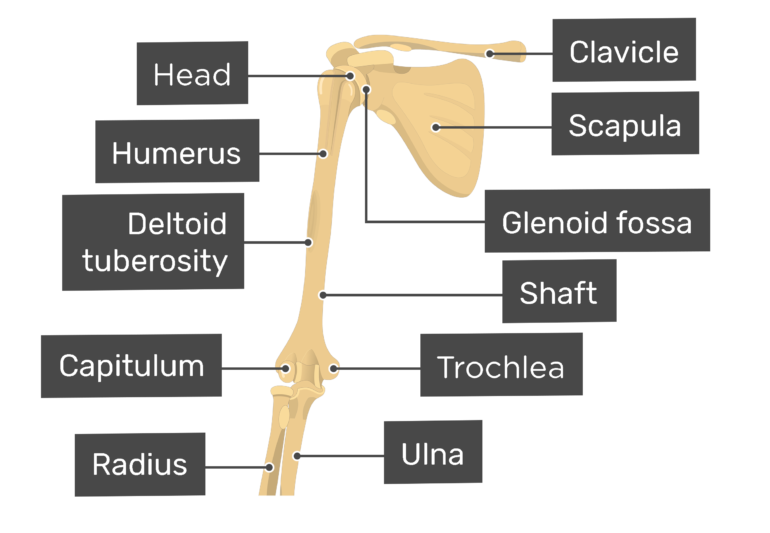
At the top, your humerus hooks up with the scapula (aka your shoulder blade)—the bone that’s basically the “cool, quiet friend” of your skeleton. Together, they form the glenohumeral joint, which is just a fancy way of saying “shoulder.”
Imagine your humerus and scapula as two people at a party who “just vibe”. The humerus slides around in the scapula’s socket (the glenoid cavity) like a DJ mixing tracks—smooth, but with a little bit of wiggle room. That’s why you can throw a ball, high-five a friend, or dramatically flail when you stub your toe.
But here’s the catch: That wiggle room is also why your shoulder can be “that friend who’s always getting into trouble”. Too much movement, not enough stability, and suddenly you’re reaching for that last slice of pizza and—pop—your shoulder’s throwing a tantrum.
 Humerus Bone Anatomy | GetBodySmart
Elbow Connection: The Humerus’ Sidekick, the Radius and Ulna
Now, let’s talk about the distal end of the humerus—the part that’s always trying to keep up with your elbow. Down here, it meets the radius and ulna, the two bones in your forearm that are basically the “best friends who always have each other’s backs”.
Your humerus connects to these two with a joint called the elbow joint, which is basically the “handshake agreement” between your upper and lower arm. The radius is the “chill one” that rotates when you turn your palm up (like when you’re trying to impress someone with your “I’m not holding a knife” gesture), while the ulna is the “serious one” that stays put.
Ever tried to open a stubborn jar and felt like your elbow was “this close” to giving up? That’s your humerus and ulna teaming up to “just give it one more turn”. It’s like they’re saying, “We’ve got this, just hold on”—until you realize the jar’s still sealed, and you’re now questioning your life choices.
Clavicle: The Humerus’ Secret Wingman
Here’s where things get a little “who knew?”. Your humerus doesn’t just hang out with its immediate neighbors—it’s got a clavicle (collarbone) connection too, even though it’s not directly attached. The clavicle is like the “unofficial bouncer” of your shoulder, keeping everything in check.
It connects to the humerus indirectly through the acromioclavicular joint, which is basically the “handshake between your shoulder and your collarbone”. This joint lets your arm swing freely, like when you’re pretending to be a bird at the park. But if it gets out of whack—“clunk”—you’ve got a “shoulder separation,” and suddenly your arm feels like it’s “not invited to the party anymore.”
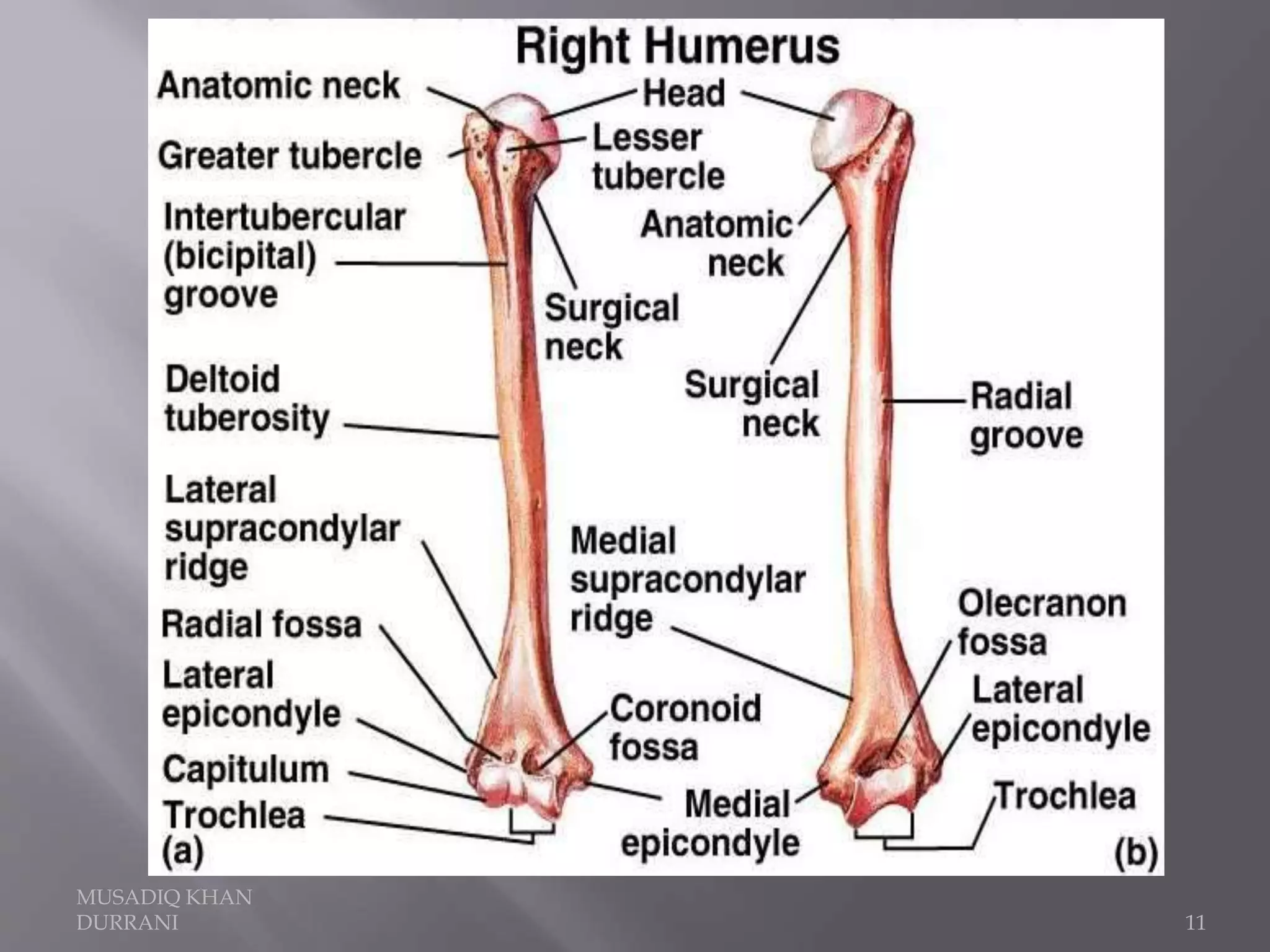 Humerus Bone and attachments | PPTX
Think of it like when you’re trying to high-five someone, but your shoulder just “doesn’t feel like it”. That’s your clavicle and humerus team going, “Nah, we’re good, you can do it yourself”.
Why Does This Even Matter?
Okay, so why should you care about all this bone gossip? Because next time you’re “just casually” reaching for something, your humerus and its crew are “working overtime” to keep you from looking like a “drunk penguin”.
Knowing how these bones connect can help you “speak the language” when you’re Googling “why does my shoulder hurt?” after that one time you tried to lift a couch (and failed spectacularly). It’s like having a “cheat sheet” for your body’s inner workings.
So next time you’re mid-movie, mid-popcorn, or mid-“I can totally do this” attempt at something physical, remember: Your humerus isn’t just a bone—it’s the “main character” of your upper body’s story. And it’s got a whole cast of friends keeping things interesting.
Now go forth, move with confidence, and maybe—just maybe—don’t try to lift that couch again.
