One And A Half Cups In Grams

Ever found yourself in the middle of baking a cake, only to realize you've no idea how much a cup of flour is in grams? Or maybe you're trying to make that fancy coffee shop d...
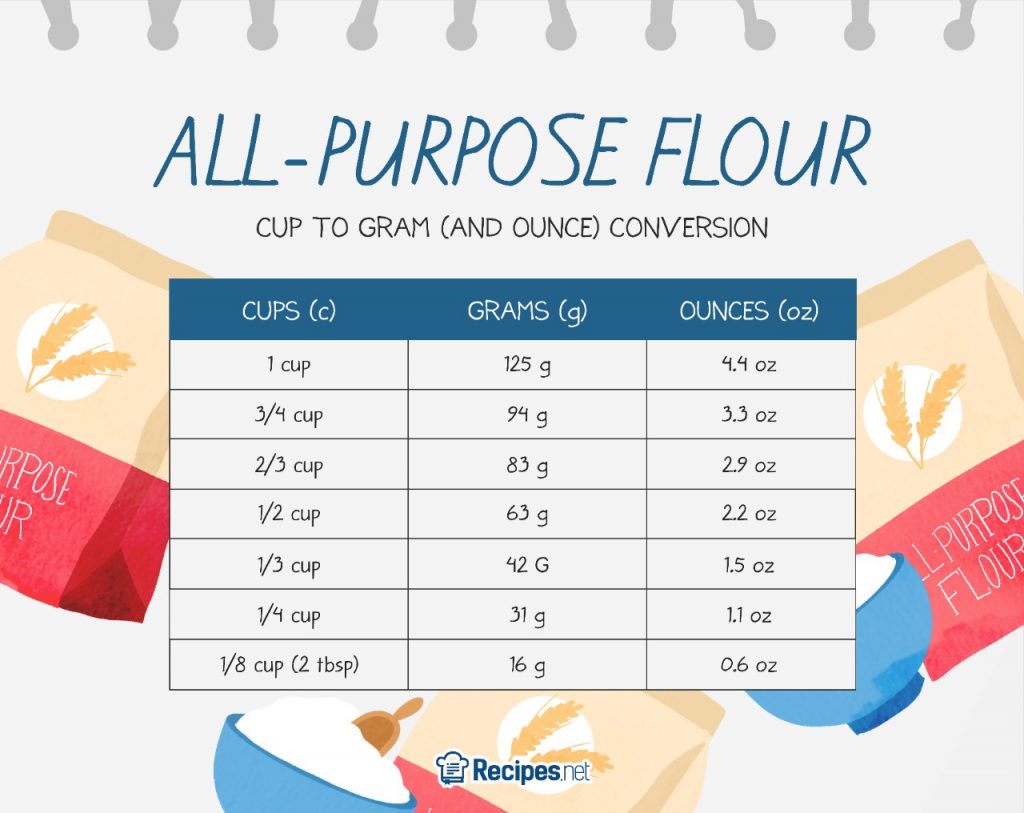
Ever found yourself in the middle of baking a cake, only to realize you've no idea how much a cup of flour is in grams? Or maybe you're trying to make that fancy coffee shop drink at home, but the recipe's in grams and you're stuck with cups? Well, you're not alone, my friend. Let's dive into the wonderful world of conversions and find out what one and a half cups really mean in grams.
Why Should You Care?
Alright, let's get real. You might be thinking, "Who cares about cups and grams? I just want my cake to taste good!" And you're right, we all want that delicious outcome. But here's the thing, baking and cooking are like a delicate dance. Too much or too little of an ingredient can throw off the balance, leaving you with a sad, flat cake or an overpowering coffee flavor.
That's where understanding conversions comes in. It's like having a secret ingredient that ensures your dishes turn out perfect every time. So, let's make friends with grams and cups, shall we?
Must Read
Let's Get Started
First things first, let's understand what we're dealing with. In the United States, a standard cup is equal to 240 milliliters. But here's where it gets a tad confusing. Different countries have different standards. For instance, in the UK, a cup is about 200 milliliters. So, if you're following a recipe from the other side of the pond, you might want to double-check your measurements.
Now, let's get back to our question. What's one and a half cups in grams? Well, it depends on what you're measuring. Flour, for example, is about 120 grams per cup. So, one and a half cups of flour would be around 180 grams. But if you're talking about sugar, that's about 200 grams per cup. So, one and a half cups of sugar would be around 300 grams.
See what I mean? It's all about context. It's like saying "a car". Is it a sports car, a sedan, or a SUV? They're all cars, but they're not all the same, right?
 Cups To Grams Conversion Chart (And Why I Use Grams) | Cup to gram
But Why Not Just Use Scales?
Great question! Scales are indeed your friend, especially when it comes to precise measurements. But here's the thing, not all recipes are written in grams. Some are in cups, some in ounces, and some even in tablespoons! And let's not forget, some ingredients just don't convert neatly. Like, have you ever tried to convert a recipe that calls for a "pinch of salt"? Good luck with that!
So, while scales are fantastic, knowing how to convert measurements can help you navigate a wider range of recipes. It's like having a secret language that unlocks a whole new world of culinary adventures.
Let's Practice
Alright, let's put this into practice. Say you're making that fancy coffee shop drink at home. The recipe calls for 2.5 cups of milk. But you've only got the grams-to-cups conversion rate for milk, which is about 240 grams per cup. What do you do?
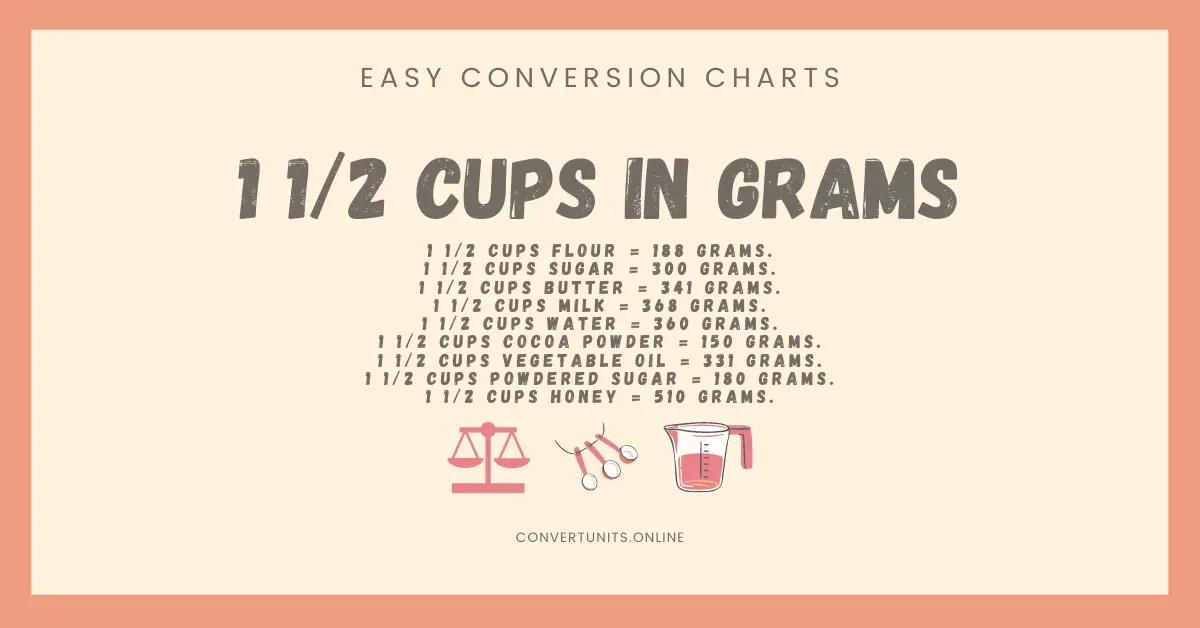 One And A Half Cups To Grams | Detroit Chinatown
First, you convert 2.5 cups to grams. Since 1 cup is 240 grams, you multiply 2.5 by 240. That gives you 600 grams. So, you need 600 grams of milk for your drink. Easy peasy!
And there you have it! You've just successfully converted cups to grams. Pat yourself on the back, you're one step closer to barista status.
Final Thoughts
So, next time you're in the kitchen, don't be intimidated by those conversion charts. Embrace them! They're your key to baking and cooking perfection. And who knows, you might even impress your friends with your newfound knowledge.
Remember, every ingredient has a story. And understanding their measurements is the first step to unlocking their full potential. So, go forth, convert, and conquer those recipes!
