Is Beech A Hard Or Soft Wood

So, there I was, out for a walk in the woods, when I stumbled upon this massive tree. It was a beauty, all towering and majestic, with a trunk as wide as my car. I reached out...

So, there I was, out for a walk in the woods, when I stumbled upon this massive tree. It was a beauty, all towering and majestic, with a trunk as wide as my car. I reached out to touch it, you know, to connect with nature and all that, and bam! I got a splinter. A big one. Now, I'm no lumberjack, but I've had my fair share of tree encounters, and I knew this wasn't your average pine or oak. "What kind of wood are you, you beast?" I muttered, half-expecting the tree to answer.
That got me thinking, you know? We all know the difference between hard and soft wood, right? Like, you wouldn't use balsa wood to build a house, would you? But what about beech? I mean, it's not as soft as pine, but it's not as hard as oak, is it? So, let's dive into this. Grab a coffee, make yourself comfortable, and let's figure out this beech conundrum together.
First Things First: What's the Jig with Hard and Soft Wood?
Alright, let's start with the basics. Hardwood and softwood, they're not just names, they actually mean something. Softwoods come from gymnosperms - that's a fancy word for plants like pines, spruces, and firs. They're usually faster-growing and have a softer, more open grain. Hardwoods, on the other hand, come from angiosperms - plants like oaks, maples, and, you guessed it, beeches. They're usually slower-growing and have a denser, tighter grain.
Must Read
But here's where it gets tricky. Hardwood doesn't necessarily mean hard, and softwood doesn't mean soft. It's more about the structure and growth pattern of the wood. So, while oak is a hardwood, it's not as hard as, say, maple. And while pine is a softwood, it's not as soft as, well, balsa. Confused yet? Don't worry, we're getting there.
Beech: The Enigma
Now, let's talk about beech. It's a hardwood, that much we know. But where does it stand on the hardness scale? Well, it's not as hard as oak or maple, but it's not as soft as, say, birch or poplar. It's kind of in the middle, hardness-wise. But don't let that fool you. Beech has its own unique qualities that make it stand out.
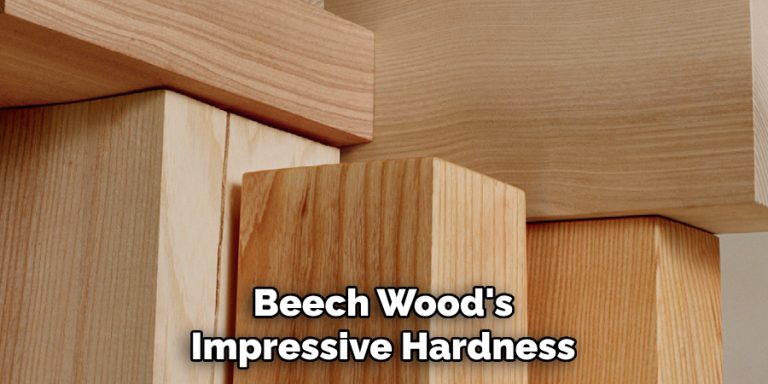 How to Use Beech Wood | 10 Easy Methods (2025)
For one, beech is incredibly strong. It's got a high strength-to-weight ratio, which means it's strong for its weight. That's why it's often used in furniture making and construction. It's also got a beautiful, fine grain that takes stains and finishes really well. And get this, beech is also known for its flexibility. It can bend and curve without breaking, which makes it great for things like chair backs and cabinet doors.
So, Hard or Soft? Let's Settle This.
Alright, let's put this to bed. Beech is a hardwood, but it's not the hardest. It's strong, flexible, and has a beautiful grain. But when it comes to hardness, it's more on the soft side of hardwoods. So, let's call it what it is: a moderately hard wood. There, I said it. Now, let's move on.
 Beech Wood: Come to Know It
But hey, don't just take my word for it. Next time you're in the woods, give that beech tree a tap. Not too hard, though, we don't want another splinter incident. Then, come back here and tell me what you think. Was it hard? Soft? Moderately hard? Let's keep this conversation going.
And there you have it, folks. Beech, the not-so-hard, not-so-soft wood. Isn't nature wonderful? It keeps us guessing, keeps us learning. Now, if you'll excuse me, I've got a splinter to remove and a newfound respect for beech trees.
