Is A Dolphin A Carnivore Herbivore Or Omnivore

Picture this: You’re at a beach bar, sipping a fruity cocktail, when a dolphin leaps out of the water right next to you. It’s like nature’s own party guest—playful, smart, and...

Picture this: You’re at a beach bar, sipping a fruity cocktail, when a dolphin leaps out of the water right next to you. It’s like nature’s own party guest—playful, smart, and somehow always bringing the vibes. But here’s the thing: if dolphins were humans, what would they order off the menu? Fish and chips? A veggie burger? Or maybe just a big ol’ salad with a side of shrimp?
Turns out, dolphins are a little like that chaotic friend who eats everything—but with way more grace. Scientists call them omnivores, which basically means they’re the ultimate flexers of the ocean. They’ll munch on fish, squid, and crustaceans like a seafood lover, but they’ve also been spotted snacking on seagrass, algae, and even the occasional fruit when they can scavenge it. Imagine if your go-to meal was a mix of tacos, kale chips, and a mystery dessert—dolphins are basically the ocean’s version of that.
So, why does it matter if dolphins are omnivores?
Great question! Understanding what dolphins eat helps us protect them—and honestly, it’s kind of fascinating. Think of it like figuring out your best friend’s favorite snack. If you know what they love, you can make sure they’re not running out of options. For dolphins, their diet tells us a lot about their habitat, how they survive, and—let’s be real—how we can keep the ocean from running out of their favorite menu items.
For example, if dolphins start losing their usual fish snacks because of overfishing, they might have to get a little creative. And if humans keep polluting the water with plastic or chemicals, even their veggie sides (like seagrass) could get contaminated. It’s like if your favorite restaurant started serving mystery meat because the kitchen was too messy—yikes!
Fish First, But Not Always
Most of the time, dolphins are pretty committed to their seafood diet. They’re known to hunt fish, squid, and even small sharks with the precision of a chef plating a dish. Some species, like the bottlenose dolphins, are especially fond of fish like herring, mackerel, and anchovies. It’s like they’ve got a gourmet guidebook for the ocean, and fish are their signature dish.
But here’s where it gets interesting: dolphins aren’t just meat lovers. They’ve been caught eating seagrass, which is like the ocean’s version of a salad. Scientists think they might nibble on it to help with digestion or just because it’s there—kind of like how you might snack on popcorn while watching a movie. It’s not their main course, but it’s definitely part of their diet.
The Fruit Surprise
Now, this is where things get wild. Dolphins aren’t exactly known for their fruit salad skills, but they’ve been spotted eating things like coconuts, bananas, and even breadfruit in some parts of the world. Yes, you read that right—dolphins are basically the ocean’s version of that friend who shows up to a potluck with a random snack no one asked for.
 PPT - DOLPHINS PowerPoint Presentation, free download - ID:2873608
How do they do it? Well, dolphins are pretty smart. They’ve been seen using tools—like rocks—to crack open coconuts or even stealing food from fishermen. It’s like they’ve got a secret menu that humans don’t even know about. Imagine if your dog started bringing you back random leaves from the park like they’re gourmet ingredients—dolphins are just more subtle about it.
Why Omnivores Rule (and Why We Should Care)
So why does it matter if dolphins are omnivores? For starters, it means they’re adaptable. If their usual fish snacks disappear, they can switch things up. But it also means they’re vulnerable to changes in their environment. If the ocean gets too polluted or overfished, their whole menu could go belly-up.
Think of it like your own diet. If you suddenly couldn’t eat any meat, you’d have to find new ways to get protein—maybe more beans, nuts, or veggies. Dolphins face the same challenge, but instead of switching to a plant-based diet, they might have to rely more on whatever’s left in the ocean. And let’s be honest, nobody wants to live on a diet of sad, plastic-covered seaweed.
A Little Story: The Dolphin Who Loved Bread
There’s a famous story about a dolphin named Coco in the Amazon who developed a taste for bread. Not just any bread—human bread. Locals would throw scraps to her, and she’d swim right up, almost like she was waiting for a snack time. It’s sweet, right? But it’s also a reminder of how dolphins can adapt to human influences.
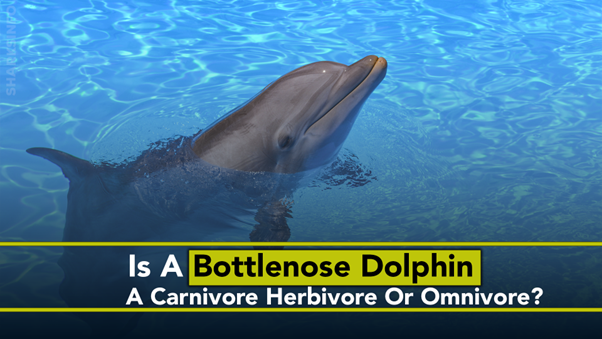 Is A Bottlenose Dolphin A Carnivore, Herbivore, Or Omnivore
Coco’s story shows how dolphins can be flexible, but it also highlights a problem: when they rely on human food, it can be unhealthy for them. Imagine if your favorite snack was just chips and soda—eventually, you’d start feeling off. Dolphins need a balanced diet, and when humans mess with their natural food sources, it can lead to bigger issues.
What Can We Do?
So how can we make sure dolphins keep having a varied and healthy diet? Here’s the good news: it’s easier than you think. Supporting sustainable fishing practices, reducing ocean pollution, and even just being mindful of how we treat marine life can make a big difference.
Next time you’re at the beach, think about the dolphins playing nearby. Are they enjoying their seafood feast, or are they having to make do with whatever’s left? By understanding their diet, we can help ensure they keep having the ocean’s best buffet—no mystery meat included.
And who knows? Maybe one day, dolphins will start showing up at your local beach bar for a drink. Until then, let’s make sure they’ve got plenty to eat—and that their menu stays as delicious as ever.
