What Is 3 1/2 Times 3 1/2

So, you're curious about what 3 1/2 times 3 1/2 is, huh? Well, buckle up, folks, 'cause we're about to embark on a wild, mathematical rollercoaster ride. Now, before we dive i...
So, you're curious about what 3 1/2 times 3 1/2 is, huh? Well, buckle up, folks, 'cause we're about to embark on a wild, mathematical rollercoaster ride. Now, before we dive in, let's get one thing straight: I'm no math genius. I mean, I can count to my own fingers, but that's about it. So, if I mess up, just blame the numbers, not me, alright?
Let's Get Our Bearings
First things first, let's understand what we're dealing with here. We've got two numbers: 3 1/2 and 3 1/2. Now, I know what you're thinking, "Hey, that's just 3 with a half on top of it!" Well, you're not wrong, but let's not get ahead of ourselves. We're dealing with improper fractions here, folks. It's like they're saying, "We're halves, but we're not just any halves, we're proud halves!"
Now, you might be wondering, "Why are we even bothering with these fractions? Can't we just use decimals?" Well, sure, we could. But where's the fun in that? Plus, fractions are like the original emojis of mathematics. They've got personality!
Must Read
Multiplication: The Wild Card
Alright, so we've got our numbers. Now, we're gonna multiply them. Now, usually, when you multiply two numbers, you get a bigger number. It's like when you order two pizzas, you get more pizza. But with fractions, things get a little... weird.
You see, when you multiply fractions, you multiply the numerators together and the denominators together. It's like they're having a big, mathematical party, and they're inviting everyone! So, our 3 1/2s are gonna multiply like this:
3 1/2 * 3 1/2 = (3 * 3) + (1 * 1) / (2 * 2)
And that, my friends, is where things start to get interesting.
When Halves Collide
So, we've got 3 * 3, which is 9. And we've got 1 * 1, which is 1. Now, we put those in the numerator, and we've got 9 + 1, which is 10. But wait, there's more! We've also got 2 * 2 in the denominator, which is 4.
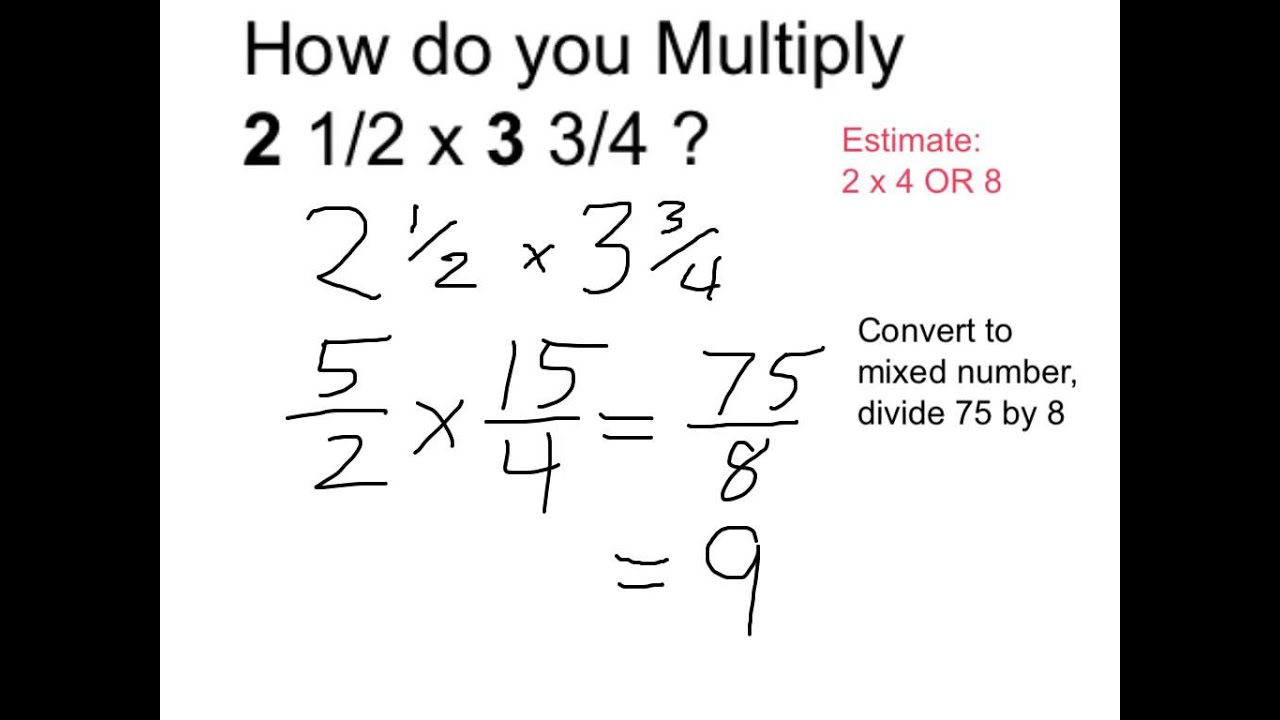
 1/2 times 3/4 (One-Half times Three-Fourths) - YouTube
Now, here's where things get a little tricky. We've got 10 in the numerator and 4 in the denominator. So, we've got an improper fraction! It's like our fractions have been partying so hard, they've forgotten to be proper!
But don't worry, we can fix this. We can turn our improper fraction into a mixed number. It's like giving our fractions a little makeover.
10/4 = 2 1/2
And there you have it! 3 1/2 times 3 1/2 is 2 1/2. Now, I know what you're thinking, "That's it? That's the big reveal?" Well, yeah, but remember, we're dealing with fractions here. They're not exactly known for their flashiness.
But Wait, There's More!
Now, you might be thinking, "That's all well and good, but what if I want to use a decimal?" Well, sure, we can do that too. We just divide the numerator by the denominator. So, our 10 goes into our 4, and we get:
10 ÷ 4 = 2.5
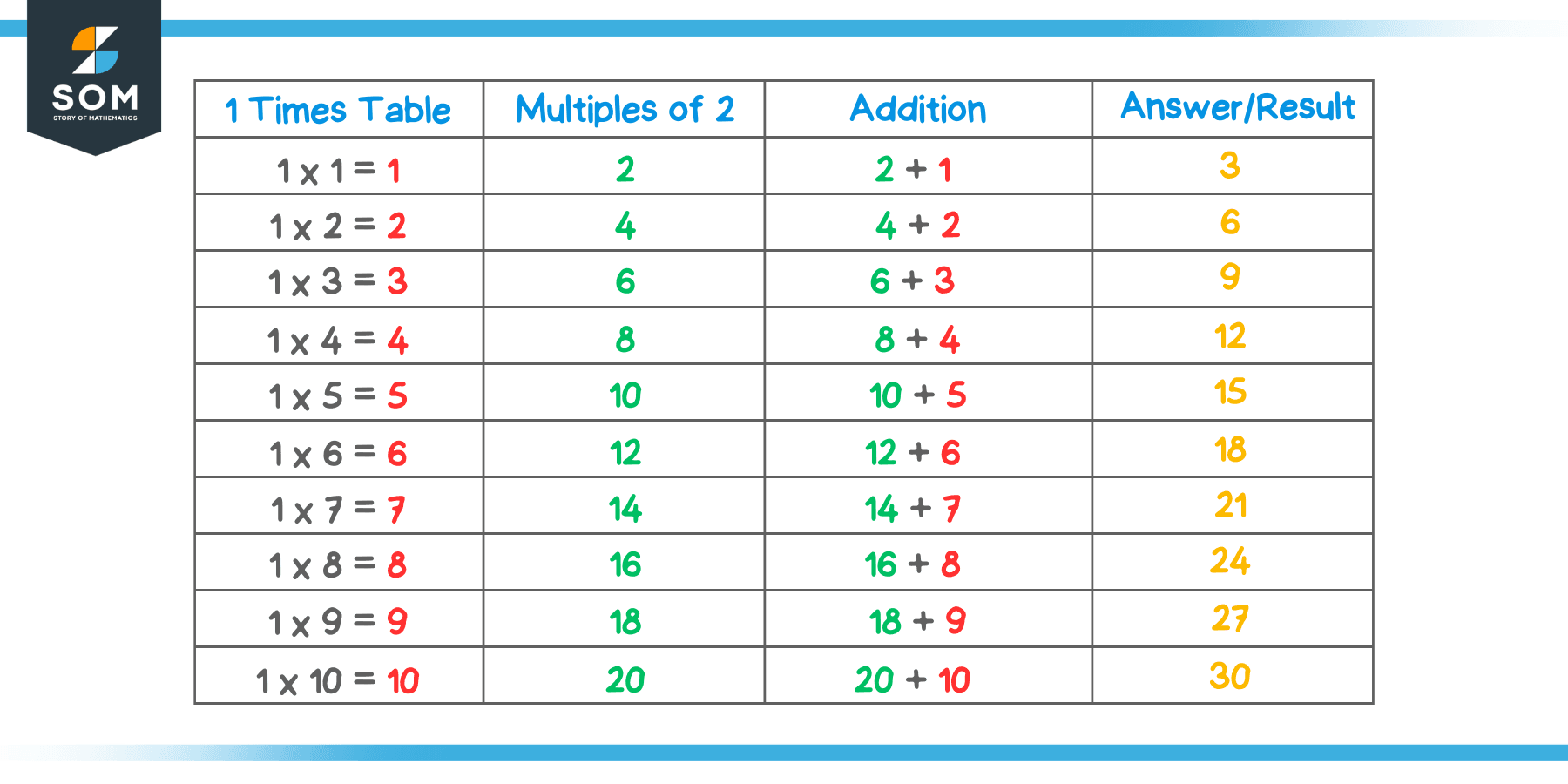 3 Times Table - Explanation & Examples
And there you have it! 3 1/2 times 3 1/2 is also 2.5. Isn't math fun?
And That's Not All!
But wait, there's more! You might be thinking, "That's all well and good, but what if I want to use a percentage?" Well, sure, we can do that too. We just multiply our decimal by 100. So, our 2.5 gets a little boost, and we get:
2.5 * 100 = 250%
And there you have it! 3 1/2 times 3 1/2 is also 250%. Now, I know what you're thinking, "That's a lot of 2s and 5s. Is that a coincidence?" Well, I'll leave that up to you to decide.
So, What Did We Learn?
Well, folks, we learned that 3 1/2 times 3 1/2 can be expressed as a mixed number, a decimal, or a percentage. We also learned that fractions can be a little eccentric. But most importantly, we learned that math can be fun if you let it. So, the next time you're struggling with a math problem, just remember: it's not you, it's the fractions. They're the real troublemakers.
And with that, my friends, we've reached the end of our mathematical journey. I hope you've enjoyed this little detour into the world of fractions. Until next time, keep counting!
